
Contractor Codex SaaS · Web app
Quote. Contract. Bill. Get Paid.
Send a quote in 60 seconds, get it signed online, and auto-invoice every stage of the job.
 Jscrambler npm Compromise Shows Build Pipelines Need Runtime Controls
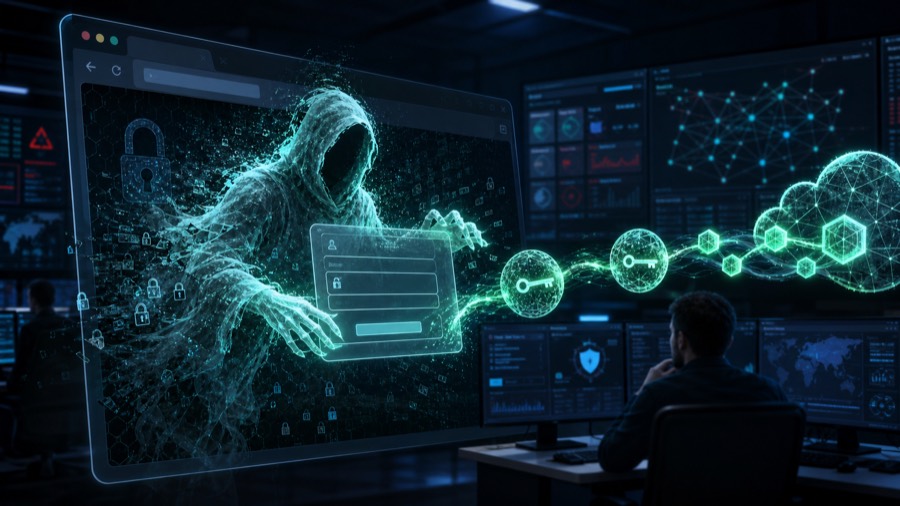 Ghost Phishing Shows Why Email Security Must Follow the Browser
 Pakistani Police Intrusions Show Why Public-Sector Data Systems Are Strategic Targets
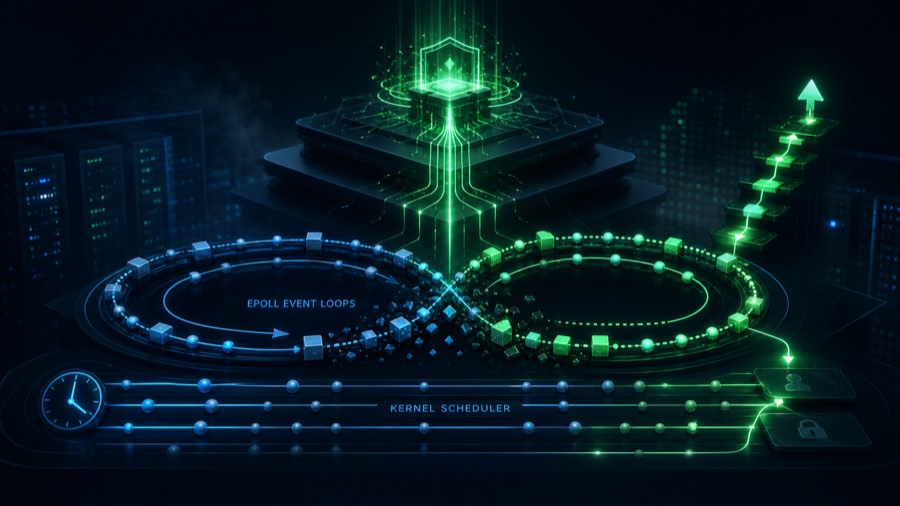 Bad Epoll Shows Linux Kernel LPEs Belong in the Patch Priority Queue
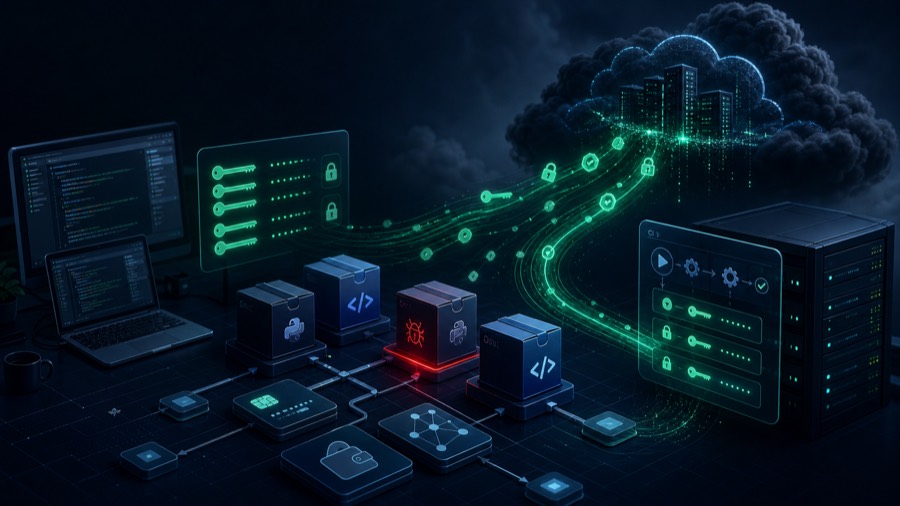 Fake Payment SDKs Show Why Dependency Risk Is Credential Risk
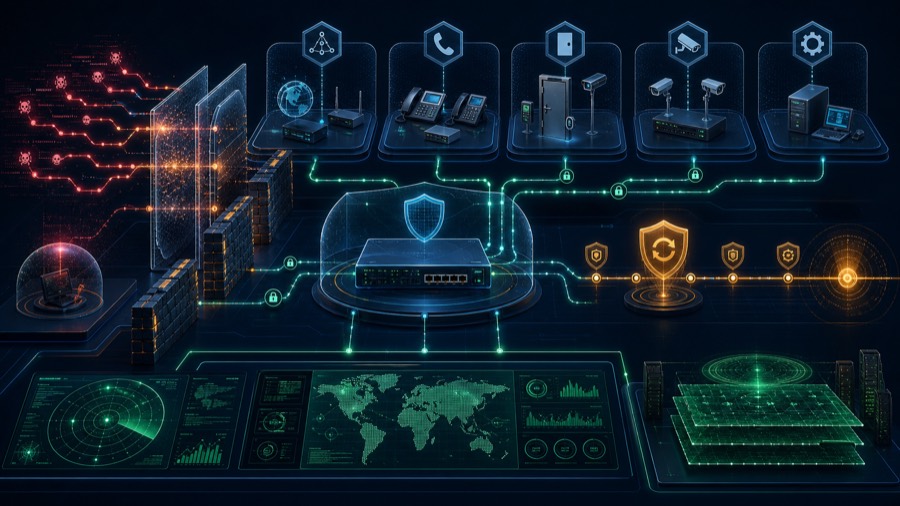 Critical UniFi Flaws Put Network Control Planes Back in the Patch Queue
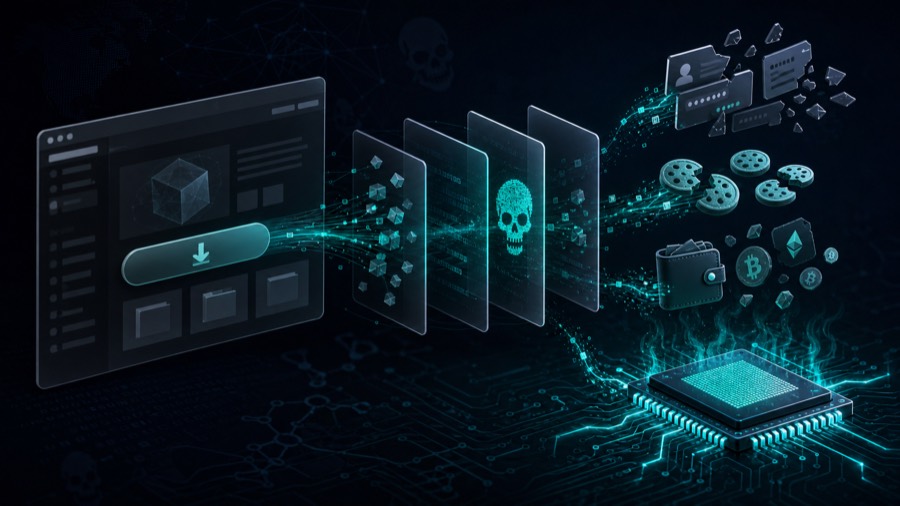 Vidar Stealer Campaign Shows Why File Size and Fake Signatures Still Beat Weak Controls
 ADFS Signing Keys Show Why Federation Servers Are Tier-Zero Identity Infrastructure
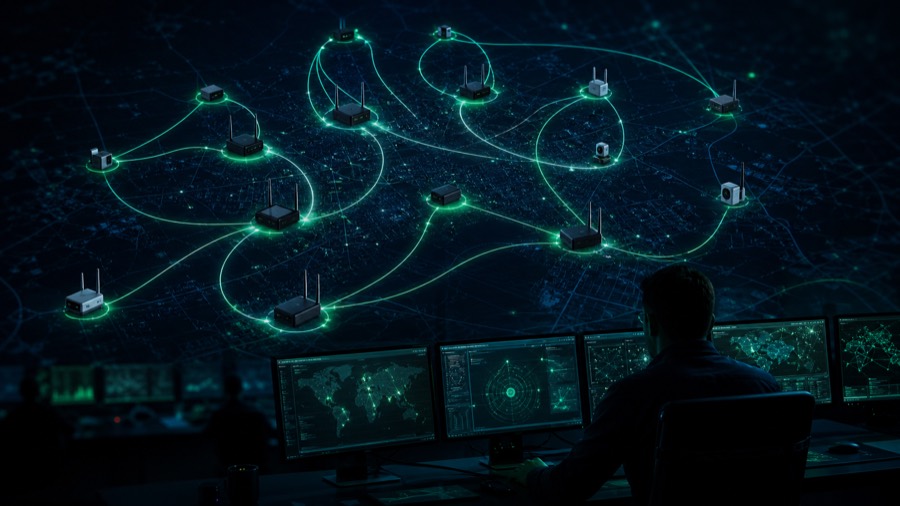 UAT-7810 Shows Edge Devices Are Becoming China-Nexus Relay Infrastructure
 FortiBleed Shows Firewall Credentials Are Ransomware Fuel
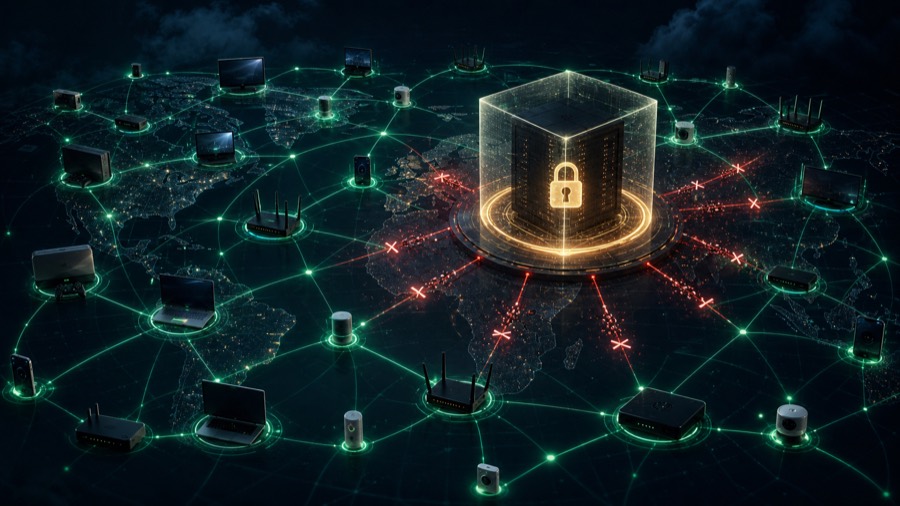 NetNut and Popa Takedown Shows Residential Proxies Are Now Attack Infrastructure
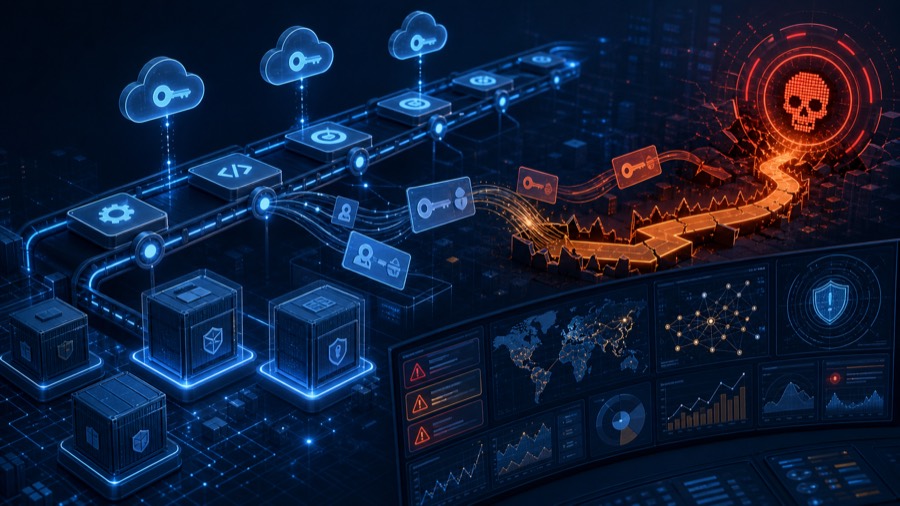 Vect and TeamPCP Show Supply-Chain Credentials Are Ransomware Fuel
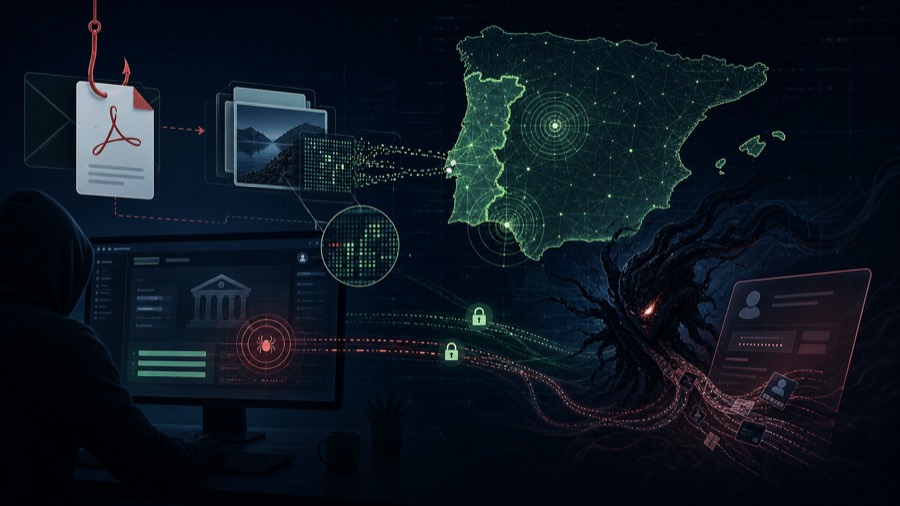 Ousaban Shows Banking Trojans Are Learning to Hide From Sandboxes
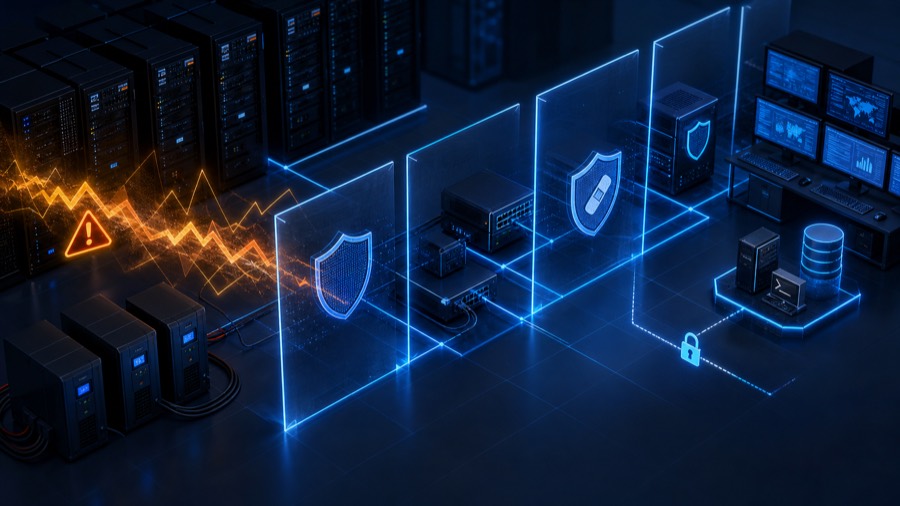 NUT upsmon Command Injection Shows UPS Monitoring Belongs in the Patch Queue
Cyber Threat Intelligence
Daily threat reporting, custom software, and remote tech help from a veteran-owned (SDVOSB) studio.
Updated most weekdays
Our Software
Quote. Contract. Bill. Get Paid.
Send a quote in 60 seconds, get it signed online, and auto-invoice every stage of the job.
The federal proposal team you can afford.
Turn a SAM.gov opportunity into a reviewable, Shipley-grade proposal draft in minutes.
Know your rating. Track your claim.
BVA-accurate combined-rating math and claim tracking, private on your device.
The Feed
Ubiquiti patched critical UniFi Connect, Talk, Access, Protect, and UniFi OS flaws. Here is what SMBs and government contractors should patch, restrict, and review now.
Unit 42 reported a Vidar stealer and XMRig campaign using malvertising, fake cracked-software lures, misleading certificate metadata, oversized binaries, and commodity loader infrastructure. Here is what SMBs and government contractors should take away.
Mandiant shows how ADFS certificate drift and Machine DPAPI can expose active signing keys. Here is what SMBs and government contractors should do now.
Cisco Talos reports UAT-7810 is expanding ORB relay infrastructure using compromised edge and embedded devices. Here is what SMBs and government contractors should do now.
SOCRadar linked the FortiBleed FortiGate credential-harvesting campaign to INC and Lynx ransomware operations. Here is what SMBs and government contractors should do next.
The FBI and industry partners disrupted NetNut and the Popa botnet. Here is why residential proxy abuse matters for SMBs, government contractors, and defenders.
Sophos CTU reports that Vect and TeamPCP have linked ransomware deployment with supply-chain credential theft. Here is what SMBs and government contractors should harden now.
Ousaban’s Spain and Portugal campaign shows how banking trojans use geofencing, phishing PDFs, steganography, and daily-changing C2 to evade sandbox-heavy defenses.
CVE-2026-54161 in Network UPS Tools upsmon shows why UPS monitoring, notification scripts, and power-infrastructure control paths need patching, segmentation, and process monitoring.
More headlines
Cyber Security Blog
Cyber Security Blog
Cyber Security Blog
AI (General)
Cyber Security Blog
Chinese Cyber Threat Intelligence
Nation-State Tracking
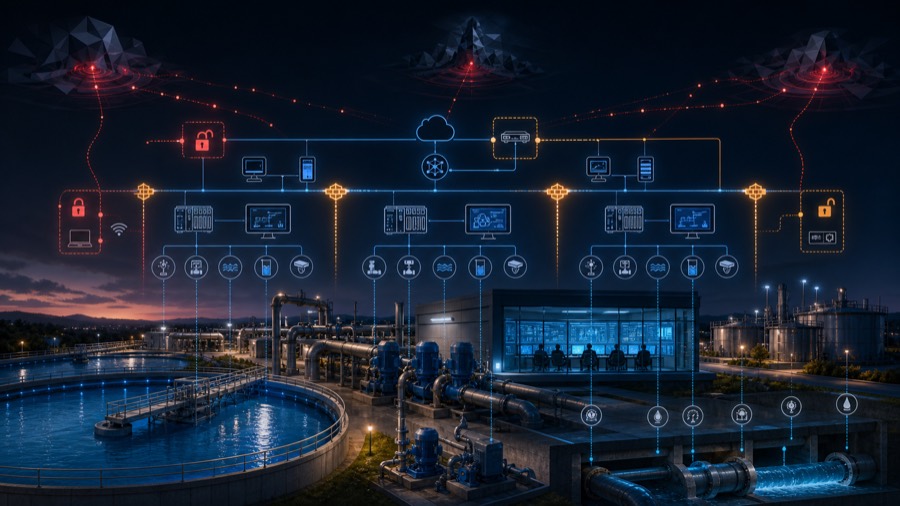
Nation-state targeting of water systems shows why exposed OT, weak credentials, remote access, and poor IT/OT segmentation remain practical business risks—not just utility-sector problems.
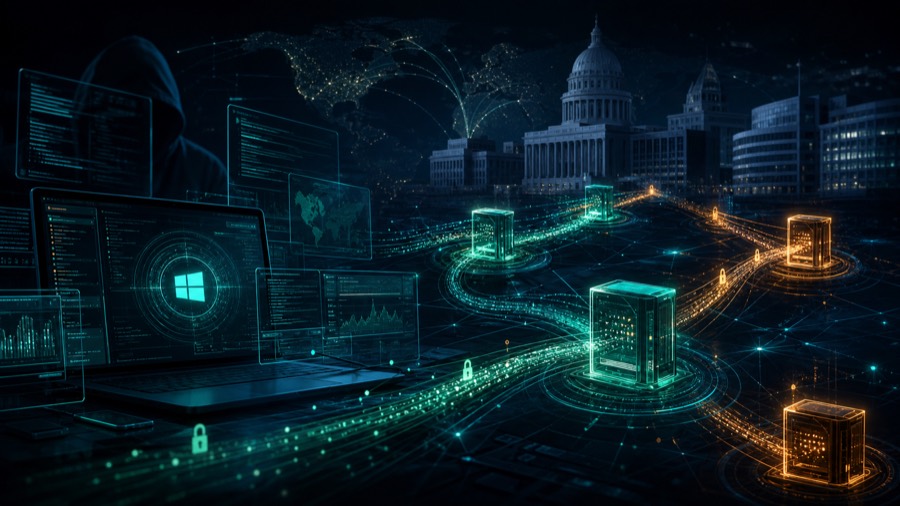
GTIG’s STOCKSTAY research shows how Turla blends modular .NET malware, WebSocket C2, and diplomatic targeting. Here are the defensive lessons for SMBs and government contractors.
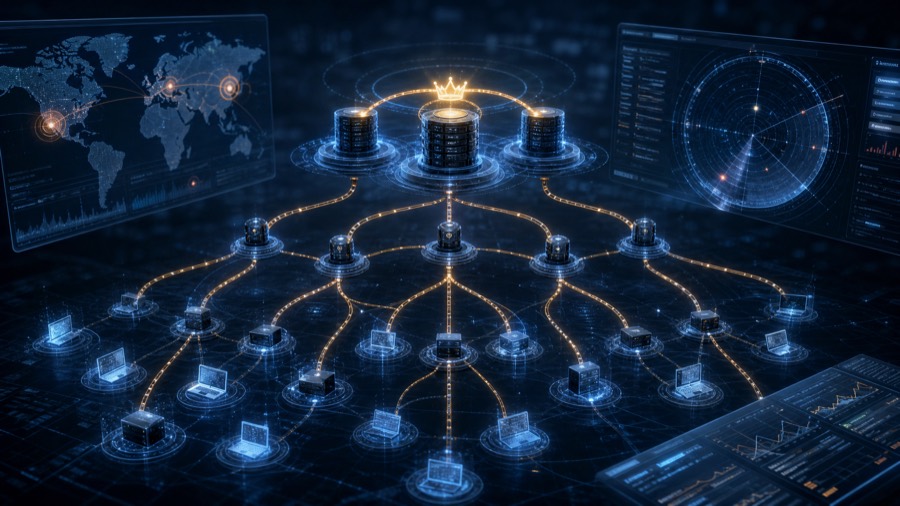
Microsoft reports that Kazuar, attributed to Russian state actor Secret Blizzard, has evolved into a modular P2P botnet. Here is what SMBs and government contractors should take from it defensively.
SentinelLabs reporting on rival espionage activity against Pakistani law enforcement is a reminder that public-sector portals, case systems, and citizen-data apps are strategic intelligence targets — even when they are not classified systems.
Cisco Talos reports UAT-7810 is expanding ORB relay infrastructure using compromised edge and embedded devices. Here is what SMBs and government contractors should do now.
Nation-state targeting of water systems shows why exposed OT, weak credentials, remote access, and poor IT/OT segmentation remain practical business risks—not just utility-sector problems.

Microsoft linked the Mastra AI npm package compromise to North Korean actor Sapphire Sleet. Here is what SMBs and government contractors should do about AI framework supply-chain risk.
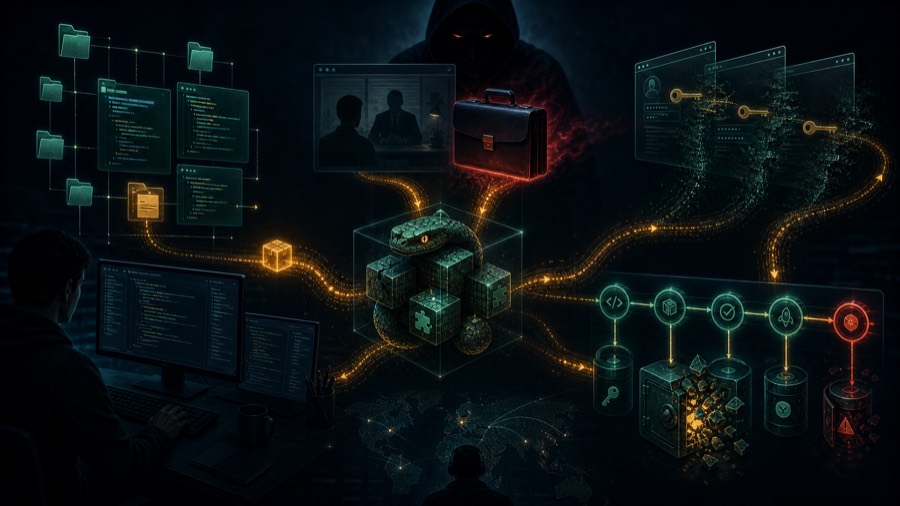
Trend Micro reports North Korea-aligned Void Dokkaebi has moved InvisibleFerret into Cython-compiled Python extension modules. For SMBs and government contractors, the real risk is developer endpoint access to CI/CD, cloud, and production secrets.
North Korean state-sponsored threat actors have been observed targeting South Korean organizations with a sophisticated multi-stage attack chain that abuses GitHub as command and control (C2) infrastructure. Fortinet FortiGuard Labs published research on April 2, 2026 detailing t
Nation-state targeting of water systems shows why exposed OT, weak credentials, remote access, and poor IT/OT segmentation remain practical business risks—not just utility-sector problems.
Iran-linked MuddyWater activity shows why ransomware response needs to examine identity compromise, remote access, and adversary objectives instead of trusting the ransom note at face value.

Handala’s California Water Service claim is a reminder that critical-infrastructure defense starts with proving separation between billing systems, telemetry platforms, and operational technology.
Browse by category
Beyond the feed
Fast, clean marketing sites and custom web apps built for your business, not a template you have to fight. Designed, built, and deployed by the person who will maintain it.
Native iPhone and iPad apps built for businesses and published to the App Store. From a focused single-purpose tool to a full product, designed, developed, and shipped end to end.
Practical AI setup and quiet automation that saves you real hours. We pick the right tools, wire them into how you actually work, and skip the hype when it does not fit.
Right-sized IT support and security fundamentals for small teams, delivered remotely. Backups that actually restore, hardened accounts, and someone honest to call.
You may have missed
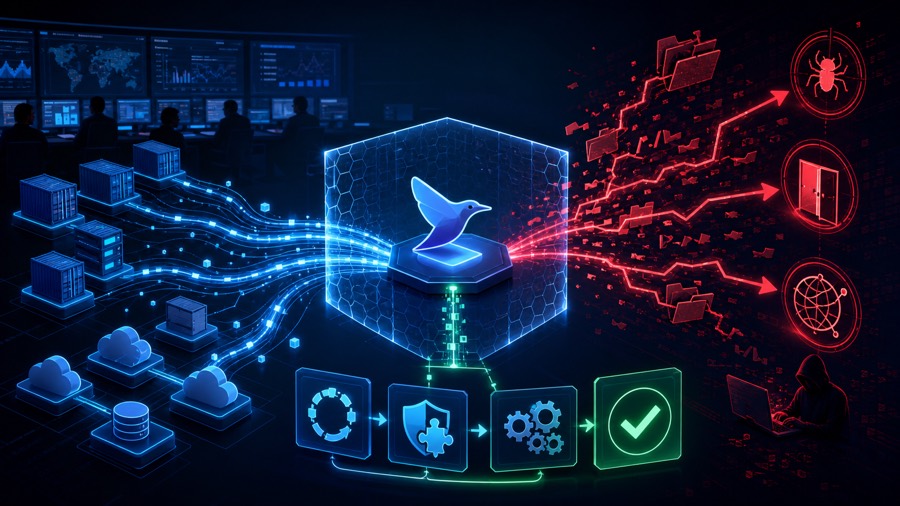
Multiple Fluentd vulnerabilities show why log collectors need segmentation, least privilege, and hostile-input assumptions—not just patching.
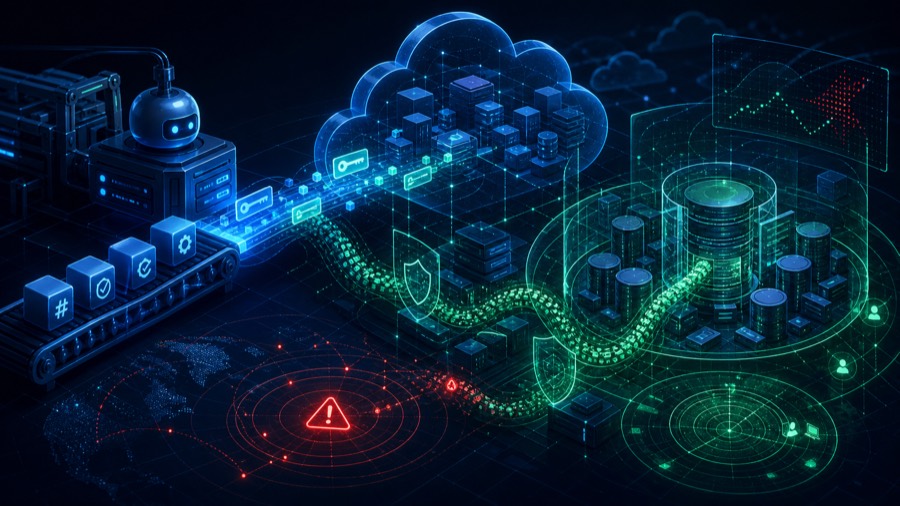
Fortinet’s Shai Hulud case study shows how poisoned CI/CD dependencies can become cloud identity compromise, IAM escalation, and Redshift data theft. Here is what SMBs and government contractors should harden now.
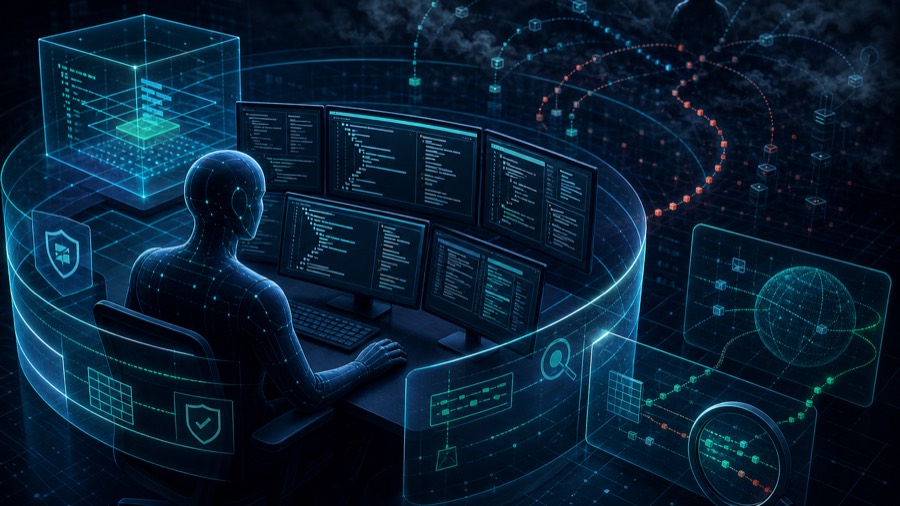
A clean-looking repository can still become dangerous when an AI coding agent follows setup instructions and executes runtime-fetched configuration. Here is how teams should defend developer workflows.
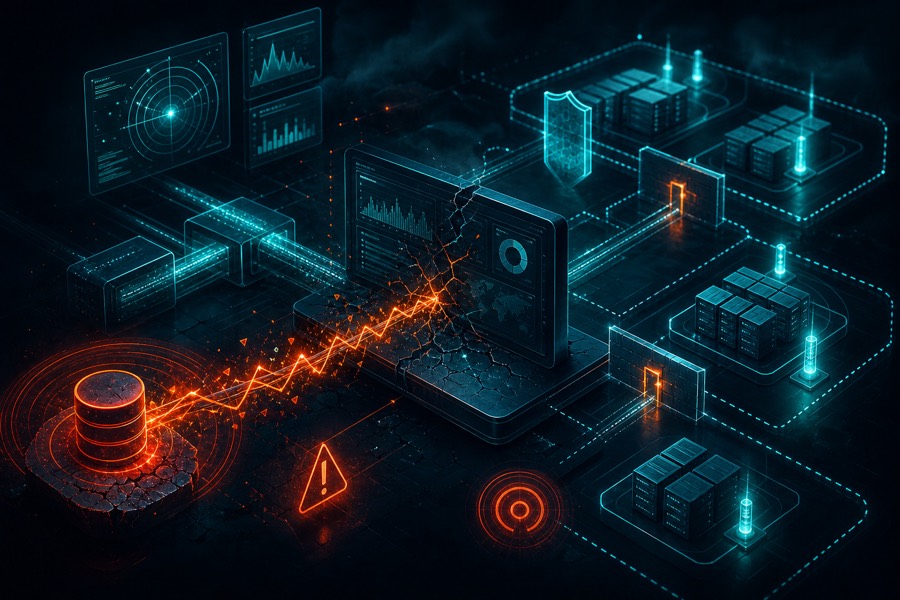
CVE-2026-20253 shows why Splunk and other SIEM platforms need tier-zero hardening: patch quickly, restrict management access, review service accounts, and hunt for suspicious file writes.
Newsletter
Cyber threat intel, AI, and tech worth your attention, what we're tracking that day, with a "why it matters" line on every item. Most weekdays. No fluff.