
Category Archive
Cyber Security Blog
122 reports · All intelligence
Bulwark Black cyber threat intelligence filed under Cyber Security Blog.

Jscrambler npm Compromise Shows Build Pipelines Need Runtime Controls
A compromised Jscrambler npm release shows why CI/CD package installation and runtime behavior need production-grade controls, credential rotation, and dependency governance.

Ghost Phishing Shows Why Email Security Must Follow the Browser
Ghost phishing hides the real lure until the browser renders it. Here is what SMBs and government contractors should do to defend Microsoft 365 identities.

Pakistani Police Intrusions Show Why Public-Sector Data Systems Are Strategic Targets
SentinelLabs reporting on rival espionage activity against Pakistani law enforcement is a reminder that public-sector portals, case systems, and citizen-data apps are strategic intelligence targets — even when they are not classified systems.

Bad Epoll Shows Linux Kernel LPEs Belong in the Patch Priority Queue
Bad Epoll CVE-2026-46242 is a Linux kernel epoll race-condition LPE. Here is why SMBs and government contractors should prioritize kernel patching, developer endpoint hardening, and post-compromise controls.
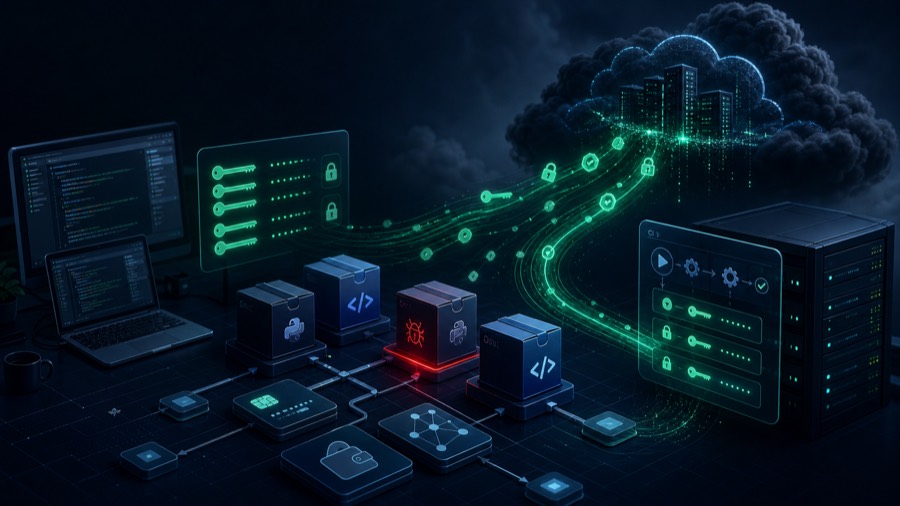
Fake Payment SDKs Show Why Dependency Risk Is Credential Risk
Socket uncovered malicious npm and PyPI packages impersonating Paysafe, Skrill, and Neteller SDKs. Here is what SMBs and government contractors should do now to protect CI secrets, developer machines, and payment integrations.
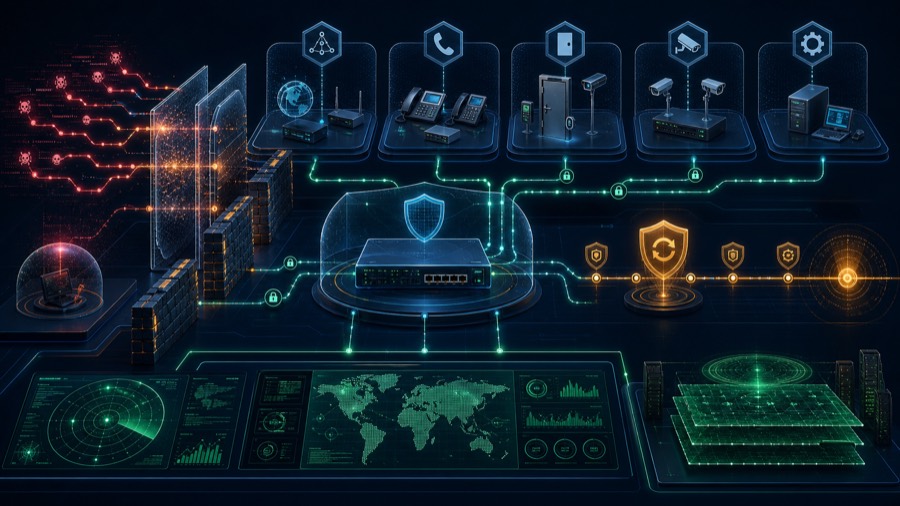
Critical UniFi Flaws Put Network Control Planes Back in the Patch Queue
Ubiquiti patched critical UniFi Connect, Talk, Access, Protect, and UniFi OS flaws. Here is what SMBs and government contractors should patch, restrict, and review now.
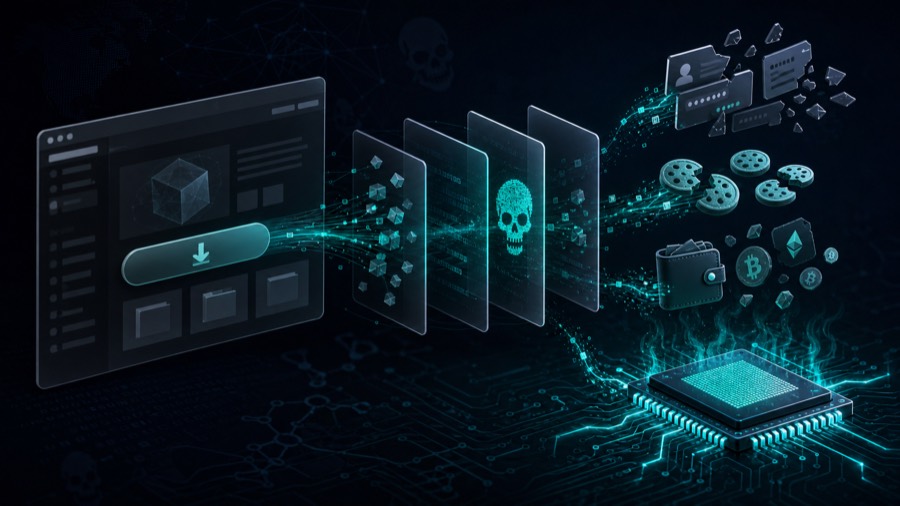
Vidar Stealer Campaign Shows Why File Size and Fake Signatures Still Beat Weak Controls
Unit 42 reported a Vidar stealer and XMRig campaign using malvertising, fake cracked-software lures, misleading certificate metadata, oversized binaries, and commodity loader infrastructure. Here is what SMBs and government contractors should take away.

ADFS Signing Keys Show Why Federation Servers Are Tier-Zero Identity Infrastructure
Mandiant shows how ADFS certificate drift and Machine DPAPI can expose active signing keys. Here is what SMBs and government contractors should do now.
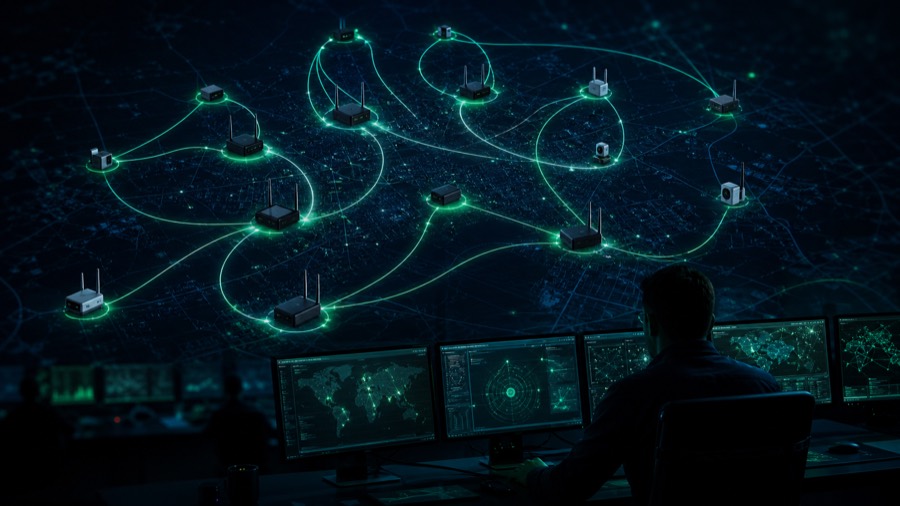
UAT-7810 Shows Edge Devices Are Becoming China-Nexus Relay Infrastructure
Cisco Talos reports UAT-7810 is expanding ORB relay infrastructure using compromised edge and embedded devices. Here is what SMBs and government contractors should do now.
FortiBleed Shows Firewall Credentials Are Ransomware Fuel
SOCRadar linked the FortiBleed FortiGate credential-harvesting campaign to INC and Lynx ransomware operations. Here is what SMBs and government contractors should do next.

NetNut and Popa Takedown Shows Residential Proxies Are Now Attack Infrastructure
The FBI and industry partners disrupted NetNut and the Popa botnet. Here is why residential proxy abuse matters for SMBs, government contractors, and defenders.
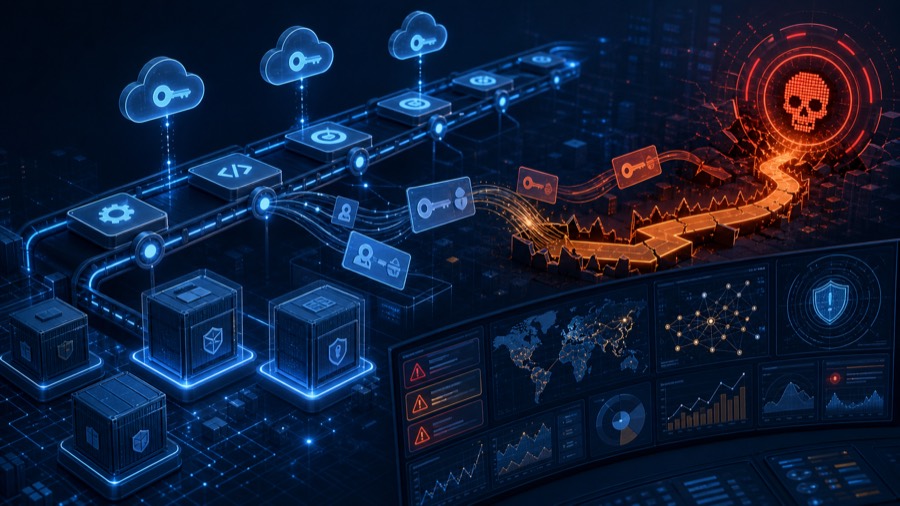
Vect and TeamPCP Show Supply-Chain Credentials Are Ransomware Fuel
Sophos CTU reports that Vect and TeamPCP have linked ransomware deployment with supply-chain credential theft. Here is what SMBs and government contractors should harden now.
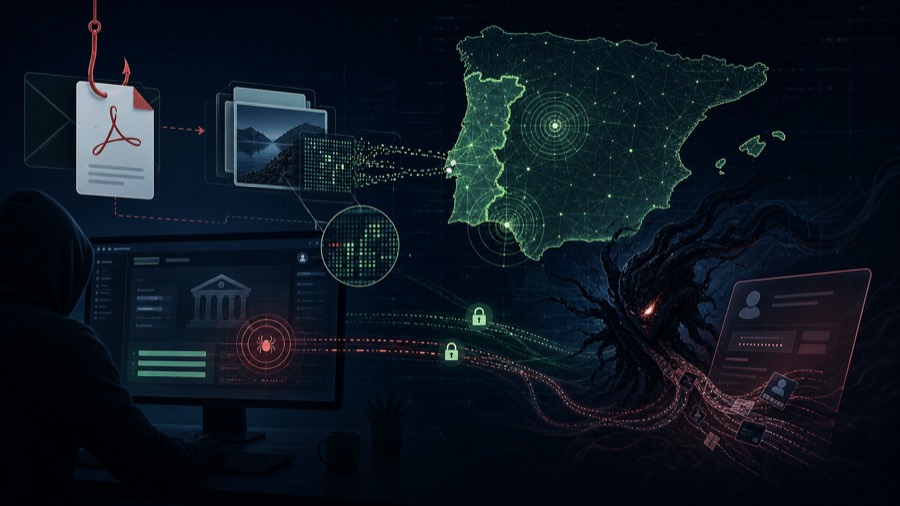
Ousaban Shows Banking Trojans Are Learning to Hide From Sandboxes
Ousaban’s Spain and Portugal campaign shows how banking trojans use geofencing, phishing PDFs, steganography, and daily-changing C2 to evade sandbox-heavy defenses.

NUT upsmon Command Injection Shows UPS Monitoring Belongs in the Patch Queue
CVE-2026-54161 in Network UPS Tools upsmon shows why UPS monitoring, notification scripts, and power-infrastructure control paths need patching, segmentation, and process monitoring.

ARToken Shows Microsoft 365 Tokens Are the New BEC Control Plane
Cisco Talos uncovered ARToken, an EvilTokens-linked phishing-as-a-service panel built around Microsoft 365 token theft, device-code phishing, mailbox access, SharePoint operations, and BEC automation. The practical lesson: treat identity tokens, inbox rules, and cloud collaborati
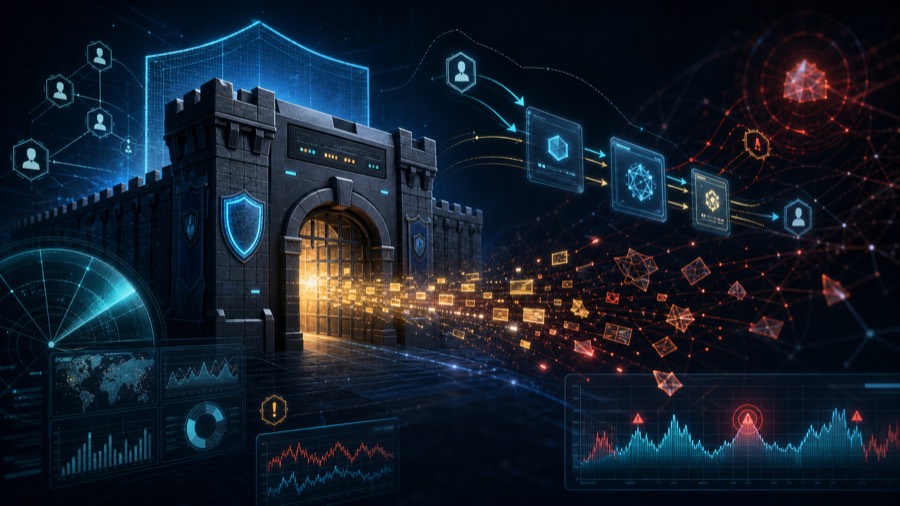
CitrixBleed Keeps Returning: NetScaler SAML IdP Memory Leaks Need Edge-Control Discipline
Citrix patched CVE-2026-8451, a NetScaler SAML IdP memory overread in the CitrixBleed family. Here is what SMBs and government contractors should do now.
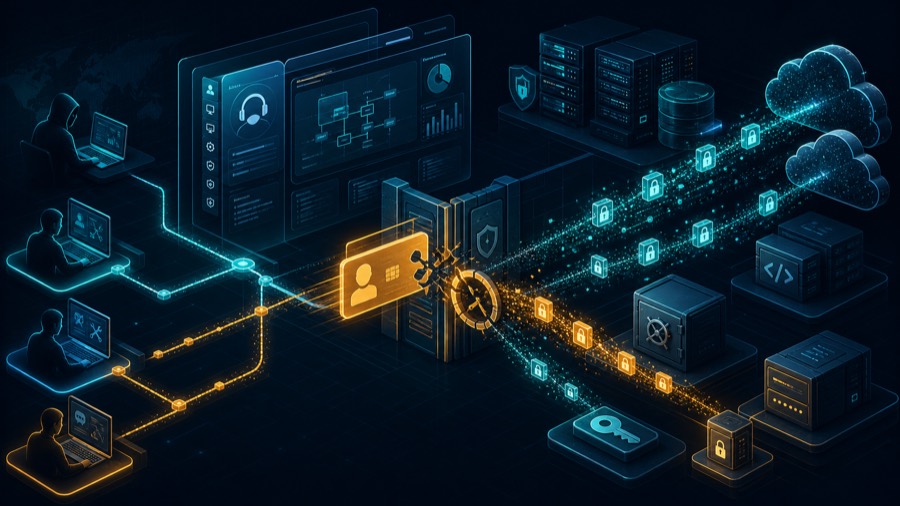
SimpleHelp Exploitation Shows RMM Is a Credential Control Plane
Active exploitation of SimpleHelp CVE-2026-48558 shows why RMM platforms must be treated as privileged credential control planes, not routine support tools.

Leaky iOS AI Apps Show Mobile AI Needs Real API Gateways
A study of iOS AI chatbot apps found widespread exposure of API keys, open AI proxy access, and replayable tokens. The fix is not another client-side secret workaround; it is real backend authentication, scoped tokens, monitoring, and key isolation.
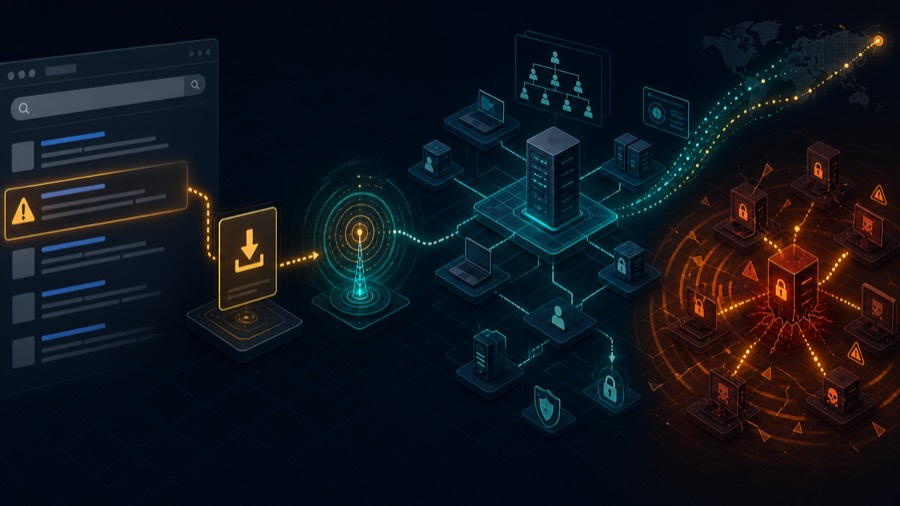
Bing SEO Poisoning Shows IT Admin Downloads Are Ransomware Initial Access
A DFIR Report case study shows how a fake ManageEngine OpManager download led from BumbleBee and AdaptixC2 to Akira ransomware. The defensive lesson: admin software downloads need control, verification, and monitoring.
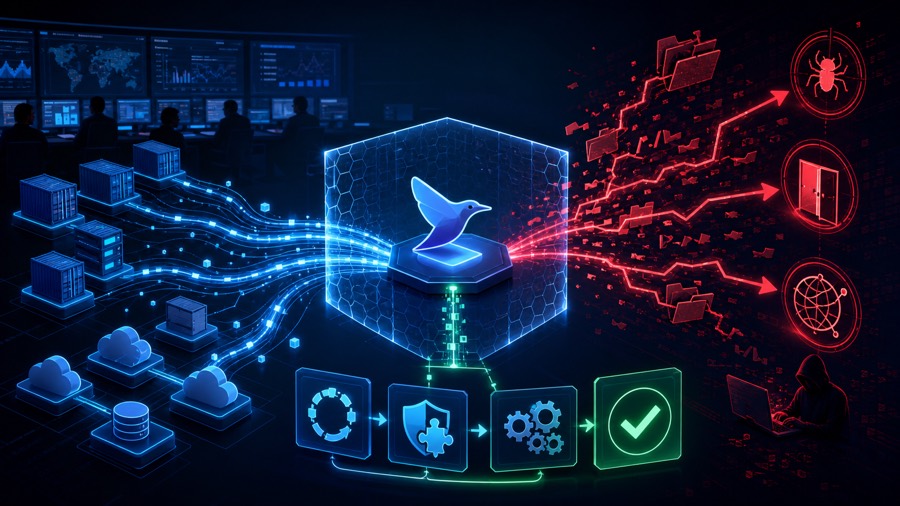
Fluentd Vulnerabilities Show Logging Pipelines Need Production-Grade Segmentation
Multiple Fluentd vulnerabilities show why log collectors need segmentation, least privilege, and hostile-input assumptions—not just patching.

Shai Hulud Shows CI/CD Identity Is Production Cloud Identity
Fortinet’s Shai Hulud case study shows how poisoned CI/CD dependencies can become cloud identity compromise, IAM escalation, and Redshift data theft. Here is what SMBs and government contractors should harden now.

Clean Repos Can Still Burn Developer Machines When AI Agents Trust Runtime Setup
A clean-looking repository can still become dangerous when an AI coding agent follows setup instructions and executes runtime-fetched configuration. Here is how teams should defend developer workflows.

Splunk Enterprise RCE Shows SIEM Servers Are Tier-Zero Infrastructure
CVE-2026-20253 shows why Splunk and other SIEM platforms need tier-zero hardening: patch quickly, restrict management access, review service accounts, and hunt for suspicious file writes.

NAIC Breach Shows Why PeopleSoft Internet Exposure Needs Immediate Review
NAIC’s PeopleSoft-linked breach is a practical warning for SMBs and government contractors: patch CVE-2026-35273, restrict administrative endpoints, and hunt for attacker staging before extortion begins.

Hospitality Photo-ZIP Campaign Shows Front Desk Workflows Are Initial Access Paths
Microsoft’s hospitality photo-ZIP campaign shows why front desk, booking, and customer intake workflows need executable-content controls, redirect-chain inspection, and endpoint hunting for unusual Node.js persistence.

CL-STA-1062 Shows Critical Infrastructure Intrusions Still Start With Web Shells
Unit 42’s CL-STA-1062 report shows why defenders should focus on exposed web apps, web shells, tunneling tools, scheduled-task persistence, and egress visibility — not just the TinyRCT malware name.

Turla’s STOCKSTAY Backdoor Shows Why Espionage Defense Needs Egress Visibility
GTIG’s STOCKSTAY research shows how Turla blends modular .NET malware, WebSocket C2, and diplomatic targeting. Here are the defensive lessons for SMBs and government contractors.
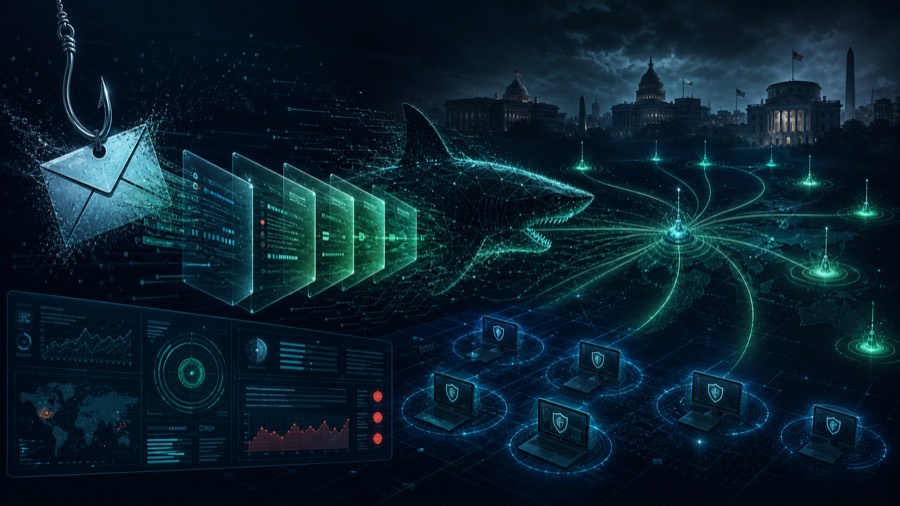
StrikeShark Shows Loader Malware Is an Edge-Exposure Problem
Kaspersky’s StrikeShark research shows how opportunistic exploitation of exposed servers can become a multi-stage SharkLoader and Cobalt Strike intrusion. Here is what SMBs and government contractors should review now.

MuddyWater’s Chaos Masquerade Shows Ransomware Response Needs Attribution Discipline
Iran-linked MuddyWater activity shows why ransomware response needs to examine identity compromise, remote access, and adversary objectives instead of trusting the ransom note at face value.
SocGholish Takedown Shows Website Trust Is Malware Infrastructure
Operation Endgame disrupted SocGholish infrastructure, but the defensive lesson is bigger: compromised trusted websites are malware delivery infrastructure.

Operation Escaneo Shows Latin America’s Edge Devices Are Prime Intrusion Targets
Operation Escaneo shows how financially motivated actors are turning exposed edge devices, tunnels, and privileged service accounts into full intrusion chains across Latin American government and critical infrastructure targets.

Mastra npm Compromise Shows AI Frameworks Are Supply-Chain Targets
Microsoft linked the Mastra AI npm package compromise to North Korean actor Sapphire Sleet. Here is what SMBs and government contractors should do about AI framework supply-chain risk.

Showboat Malware Shows Telecom Linux Servers Need Rootkit-Level Monitoring
Showboat is a China-linked Linux post-exploitation framework aimed at telecom providers. The lesson for defenders: treat Linux server persistence, dynamic linker abuse, and low-noise C2 as first-class monitoring priorities.
AutoJack Shows AI Browsing Agents Need Localhost Boundaries
Microsoft’s AutoJack research shows how a malicious webpage can abuse an AI browsing agent’s access to localhost services. The defensive lesson: treat agent control planes, MCP servers, and local tool runners like privileged admin surfaces.
Apache APISIX Auth Bypass Cluster Shows API Gateways Need Plugin-Level Review
Apache disclosed a cluster of APISIX authentication and identity plugin CVEs. The defensive priority is patching, plugin inventory, and validating what backend services trust from the gateway.
FortiBleed Shows Firewall Patching Is Not Compromise Recovery
FortiBleed is a reminder that edge firewall patching is necessary, but it does not prove a previously exposed appliance is clean. Defenders need compromise review, credential rotation, and rebuild plans for perimeter devices.

Vendor-Signed UEFI Apps Show Secure Boot Still Depends on Revocation Hygiene
CERT/CC warns that multiple vendor-signed UEFI applications can be abused to bypass Secure Boot before the operating system and EDR controls ever load. For SMBs and government contractors, the fix is not just firmware patching; it is verifying DBX revocation coverage across manag

SmartApeSG Okendo Compromise Shows Third-Party Widgets Are Supply-Chain Risk
Zscaler ThreatLabz reported that SmartApeSG injected malicious JavaScript into the Okendo Reviews widget, creating downstream exposure across e-commerce sites. Here is what SMBs and government contractors should do about third-party browser code risk.
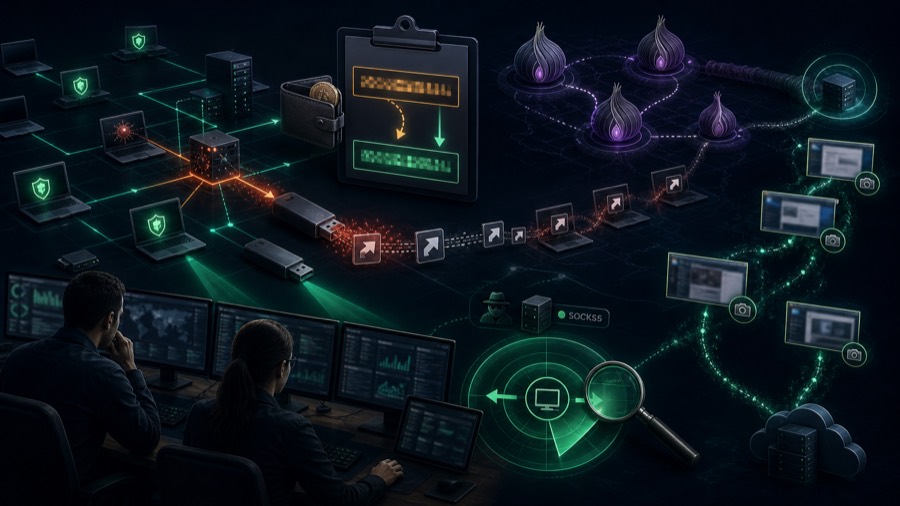
Tor-Based Crypto Clipper Shows Clipboard Theft Is Now Backdoor Activity
Microsoft research on a Tor-routed crypto clipper shows why defenders should connect USB shortcut execution, script interpreters, localhost proxy activity, and clipboard theft into one investigation path.
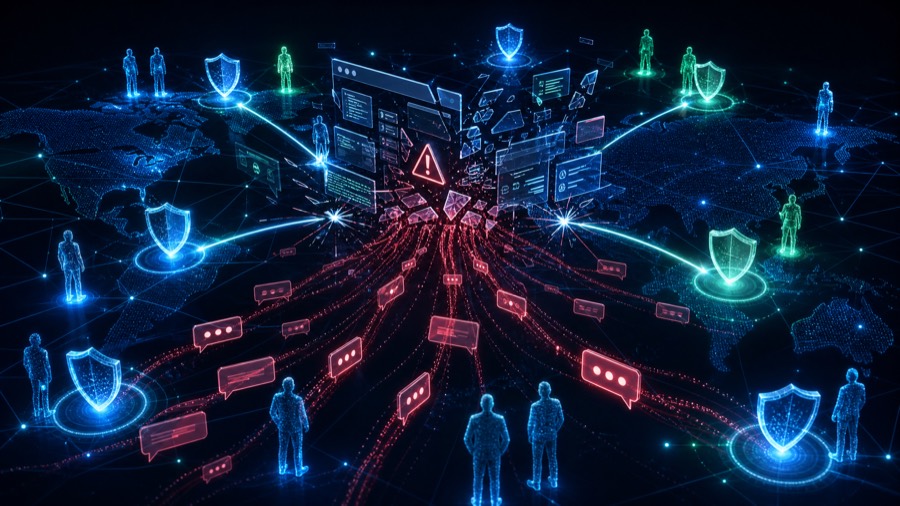
Outsider Enterprise Shows AI-Powered Phishing Is Now Industrial Infrastructure
The Outsider Enterprise takedown shows AI-powered phishing is now industrial infrastructure. SMBs and government contractors should prioritize phishing-resistant MFA, identity recovery controls, and rapid session revocation.

Handala’s Cal Water Claim Shows OT Defense Starts With Segmentation
Handala’s California Water Service claim is a reminder that critical-infrastructure defense starts with proving separation between billing systems, telemetry platforms, and operational technology.
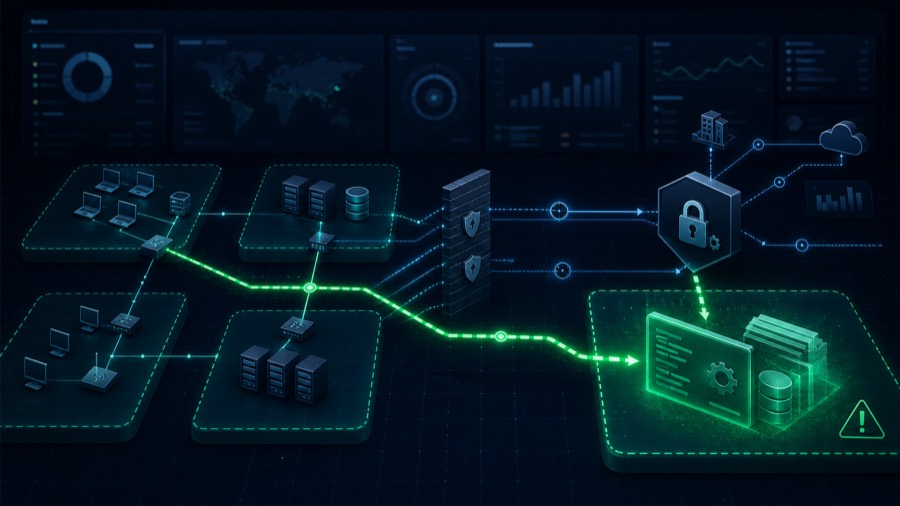
FortiPortal CVE-2026-49938 Shows Network Configuration Data Is a High-Value Target
Fortinet CVE-2026-49938 is a medium-severity FortiPortal API access-control issue, but sensitive network configuration exposure can still give attackers a valuable map of the environment.
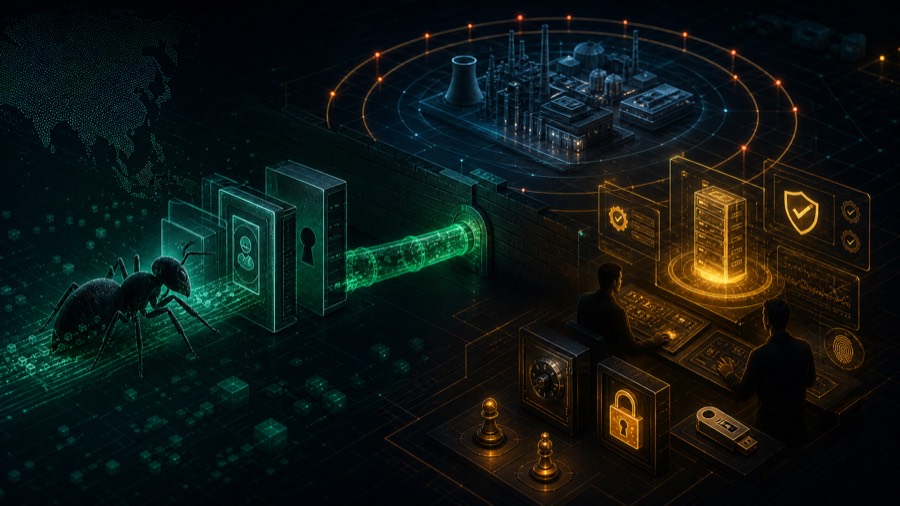
Velvet Ant Shows Authentication Infrastructure Is Critical Infrastructure
Velvet Ant’s Operation Highland shows why PAM, OpenSSH, jump hosts, and proxy paths deserve the same defensive priority as identity providers and domain controllers.
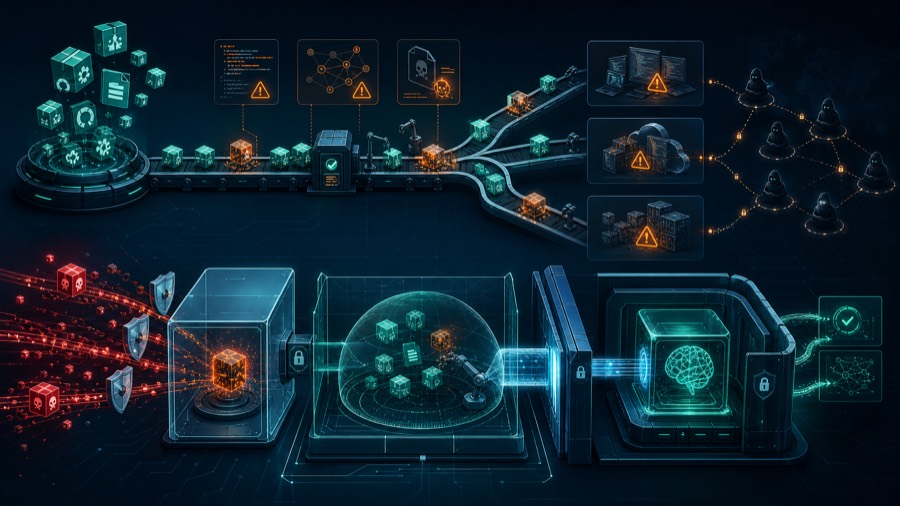
Shai-Hulud Shows AI Package Scanners Need Prompt-Injection Boundaries
Zscaler ThreatLabz says the Shai-Hulud campaign has expanded across package ecosystems and introduced prompt-injection tactics aimed at automated AI security triage. The defense lesson is simple: treat package content as hostile input, even when an LLM is doing the review.

Maine Breach Portal Hoax Shows Disclosure Systems Need Verification Controls
Maine took its public breach notification database offline after fake disclosures were published. The lesson for SMBs and government contractors: public trust workflows need verification, moderation, and correction controls.
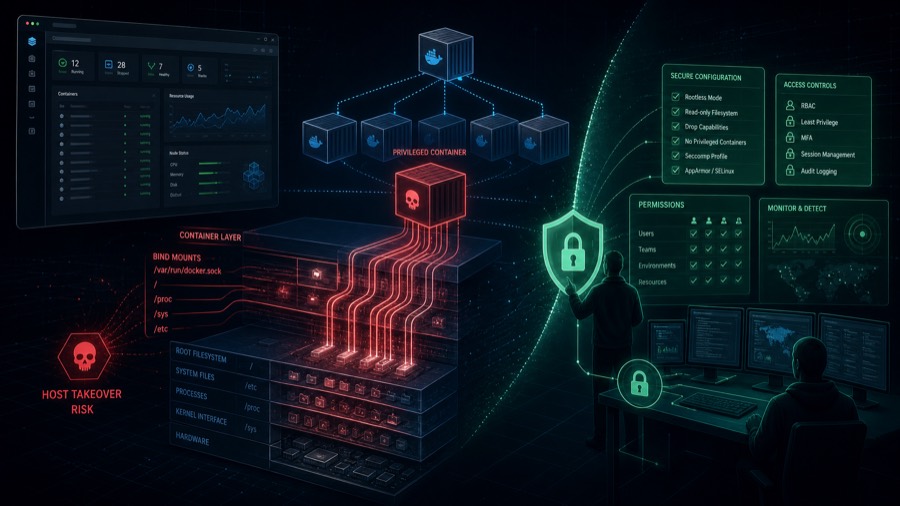
Portainer CVE-2026-33590 Shows Container Admin Tools Need Least Privilege Defaults
intWave disclosed CVE-2026-33590 in Portainer, where insecure default Docker security settings could let regular users escalate toward host takeover. Here is what SMBs and government contractors should lock down.
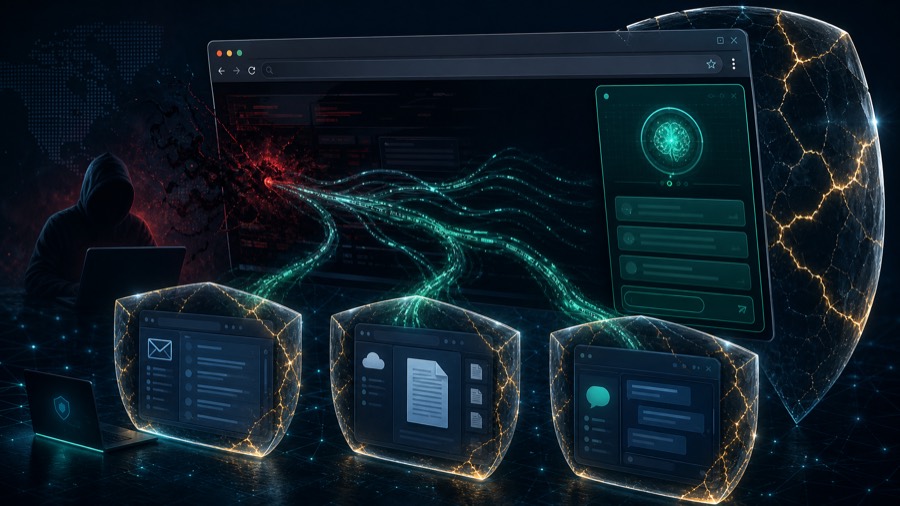
MaXSS and Spyder Show AI Browser Extensions Are an Endpoint Risk
Rebora disclosed MaXSS and Spyder, two critical flaws in AI browser-extension side panels. The lesson for SMBs and government contractors: browser extensions are endpoint software with identity-session reach and need governance.
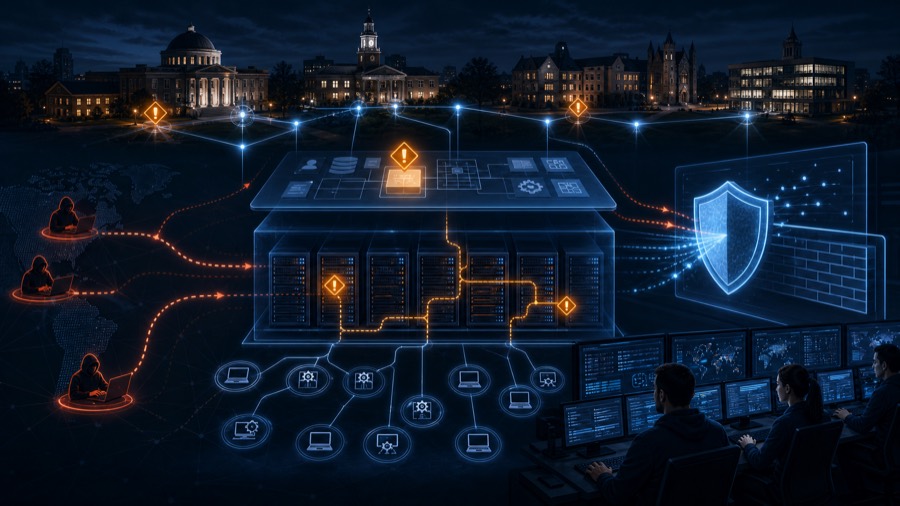
ShinyHunters PeopleSoft Exploitation Shows ERP Admin Endpoints Are Breach Surface
GTIG and Mandiant report active ShinyHunters exploitation of Oracle PeopleSoft CVE-2026-35273. Here is what defenders should lock down, hunt, and segment now.

LangGraph Checkpointer Bugs Show AI Agent Memory Is Backend Attack Surface
Check Point Research disclosed LangGraph checkpointer flaws that could turn user-controlled state-history filters into SQL injection, unsafe deserialization, and remote code execution. The lesson for SMBs and government contractors: AI agent memory is application infrastructure,

IMA Diligence Breach Shows Legacy Servers Are Still Third-Party Risk
A reported IMA Diligence breach affecting more than 525,000 people shows why legacy third-party servers need ownership, monitoring, decommissioning, and data-risk review.

C0XMO Shows IoT Botnets Are Still an Edge Exposure Problem
Fortinet researchers detailed C0XMO, a Gafgyt variant spreading through DD-WRT and other exposed devices. Here is what SMBs and government contractors should lock down before compromised routers become DDoS infrastructure.

SolarWinds Serv-U Exploitation Shows File Transfer Availability Is Security
CISA added actively exploited SolarWinds Serv-U CVE-2026-28318 to KEV. Here is what SMBs and government contractors should do about file-transfer availability risk.
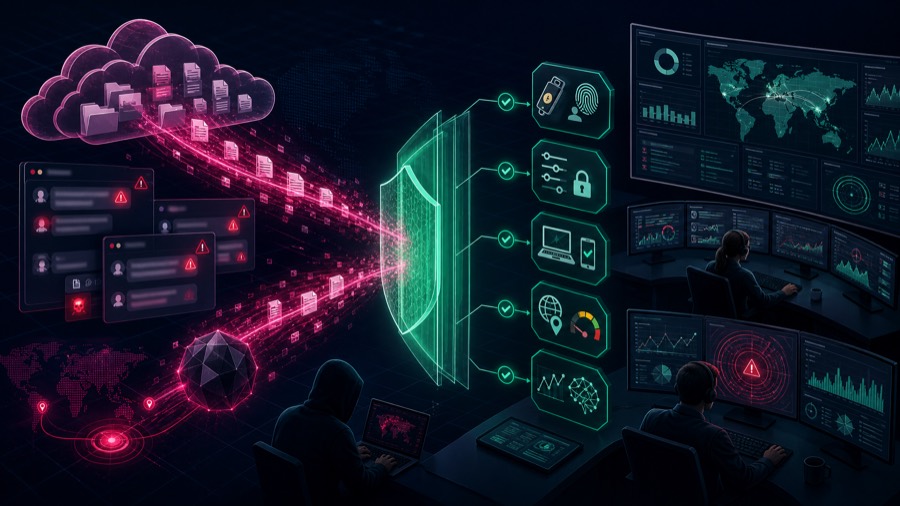
Pink Extortion Shows Microsoft 365 Defense Starts With Vishing Controls
Unit 42 is tracking Pink / CL-CRI-1147, a Com-affiliated extortion brand using vishing, credential theft, and Microsoft 365 data exfiltration. Here is what SMBs and government contractors should lock down now.

ChatGPT Lockdown Mode Shows Prompt Injection Defense Is About Egress Control
OpenAI’s ChatGPT Lockdown Mode is a useful reminder that prompt-injection defense is not just about model behavior. It is about limiting outbound paths, connector permissions, and tool access around sensitive work.

PAN-OS GlobalProtect Exploitation Shows VPN Access Needs Log Review, Not Just Patching
Unit 42 reports active exploitation attempts against PAN-OS GlobalProtect CVE-2026-0257. Defenders should patch, but also review VPN sessions, authentication override cookie behavior, and edge-device telemetry for signs of unauthorized access.

UNC3753 Brings Vishing, RMM Abuse, and Physical Intrusions to U.S. Law Firms
Mandiant reports that UNC3753, also known as Luna Moth / Silent Ransom Group, is targeting U.S. law firms and professional services with vishing, RMM abuse, rapid data theft, and suspected physical office intrusions. Here is what SMBs and government contractors should lock down n
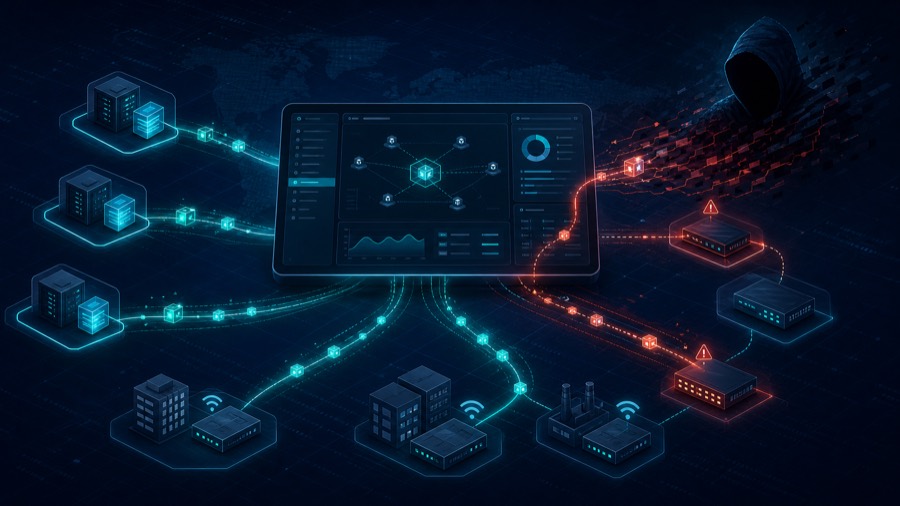
Cisco SD-WAN Zero-Day Shows Edge Controllers Need Compromise Review
Cisco says CVE-2026-20245 has been exploited against Catalyst SD-WAN Manager. Defenders should preserve evidence, review controller logs, validate edge-device configuration, and restrict management-plane access.

Agentic AI Failure Modes Show Why AI Tools Need Supply-Chain Controls
Microsoft’s updated agentic AI failure-mode taxonomy turns AI agents into a practical security architecture problem: plugins, prompts, memory, browser use, and human approvals all need controls.
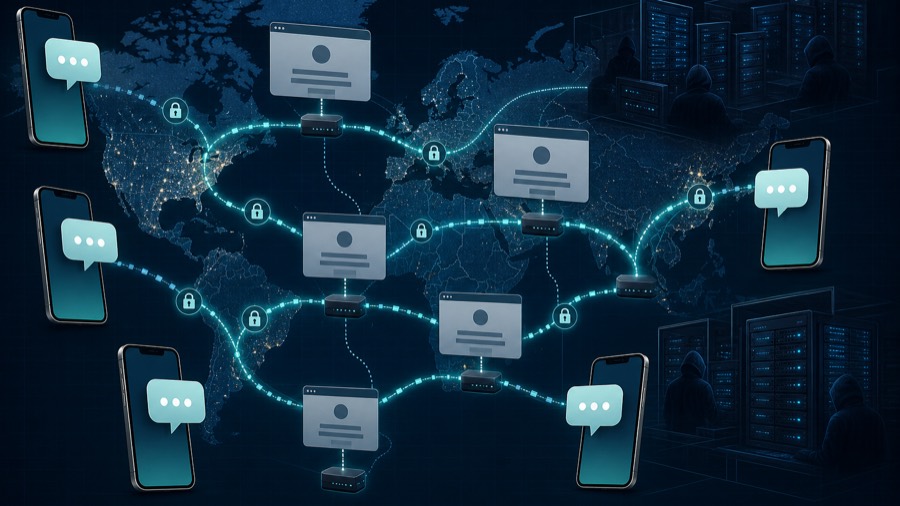
Error 524 Smishing Shows Why Fraud Infrastructure Needs CTI
Group-IB documented a global smishing operation using fake error pages, geofencing, and encrypted WebSocket exfiltration. Here is what SMBs and government contractors should take from it.

Fuel Tank Gauge Attacks Show Why Small OT Still Needs Internet Exposure Control
Federal agencies warn that attackers are compromising internet-exposed automatic tank gauge systems. The lesson for SMBs, fuel operators, farms, logistics firms, and gov contractors is simple: small OT is still operational infrastructure.

Stock Exchange Mailbox Espionage Shows Executive Email Is Strategic Infrastructure
A five-month espionage campaign against a stock exchange executive mailbox shows why senior email accounts need privileged-asset controls, cloud exfiltration monitoring, and scheduled-task hunting.

TA4922’s Global Expansion Shows HR and Tax Lures Are Initial Access Infrastructure
Proofpoint’s TA4922 reporting shows how localized HR, payroll, tax, and invoice lures can become full initial-access infrastructure through DLL sideloading, loaders, RATs, RMM tools, and browser credential theft.
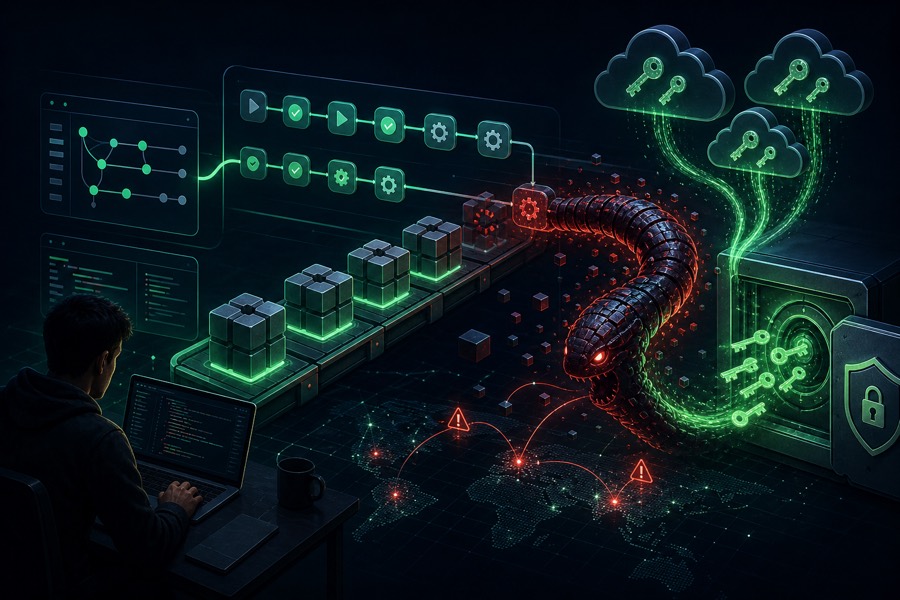
Red Hat’s Miasma npm Compromise Shows Trusted Publishing Is Not a Control Boundary
A Red Hat Cloud Services npm compromise shows why signed releases and trusted publishing must be paired with install-time controls, CI/CD isolation, and fast credential rotation.
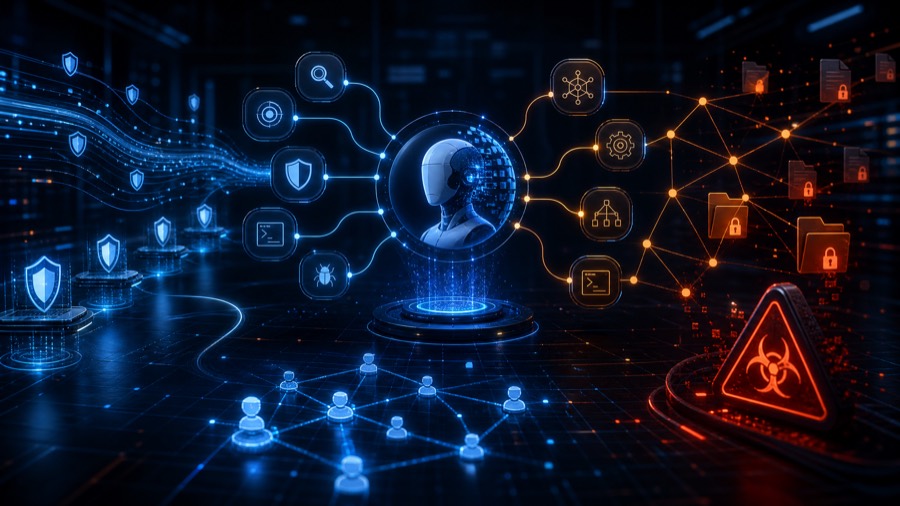
AI-Assisted Ransomware Tooling Shows EDR Evasion Is Now an Iteration Problem
Sophos observed ransomware-linked operators using AI-assisted development workflows to accelerate EDR evasion testing and Active Directory discovery. The defensive lesson: validate controls, harden identity, and monitor behavior before attackers iterate around your tooling.
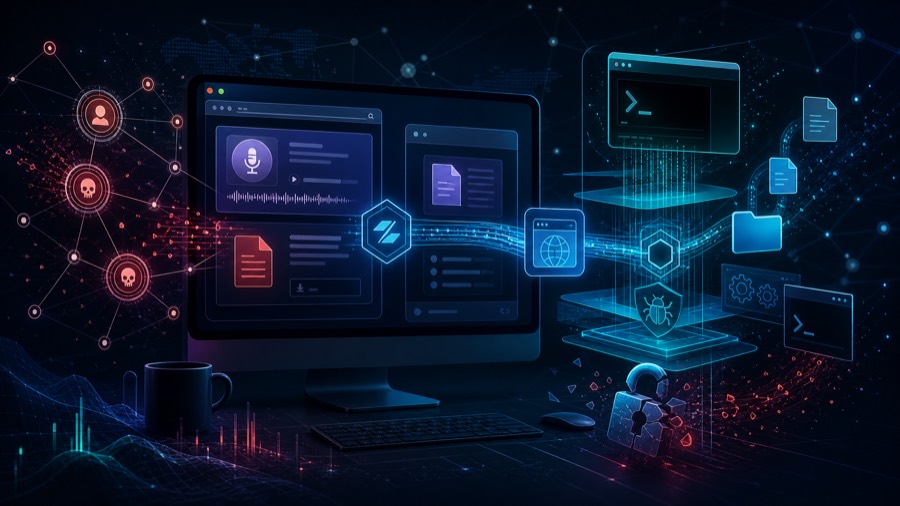
FlutterBridge Shows Why macOS Malvertising Is Backdoor Delivery, Not Just Adware
Unit 42’s FlutterBridge research shows macOS malvertising evolving from adware into FlutterShell backdoor delivery. Here is what SMBs and government contractors should tighten first.
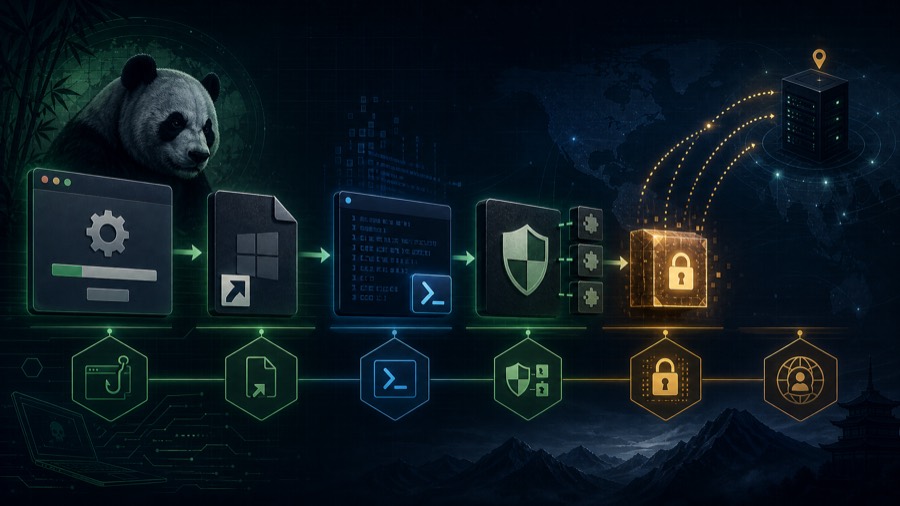
Mustang Panda’s Fake Browser Updater Shows Why LNK Files Still Matter
Mustang Panda’s fake browser updater chain shows why defenders still need to hunt LNK-to-PowerShell execution, DLL sideloading, user-context persistence, and suspicious HTTPS beaconing.

FortiClient EMS Exploitation Turns Endpoint Management Into an Infostealer Delivery System
Attackers are abusing CVE-2026-35616 in FortiClient EMS to push a credential stealer through trusted endpoint management workflows. Here is what defenders should check first.
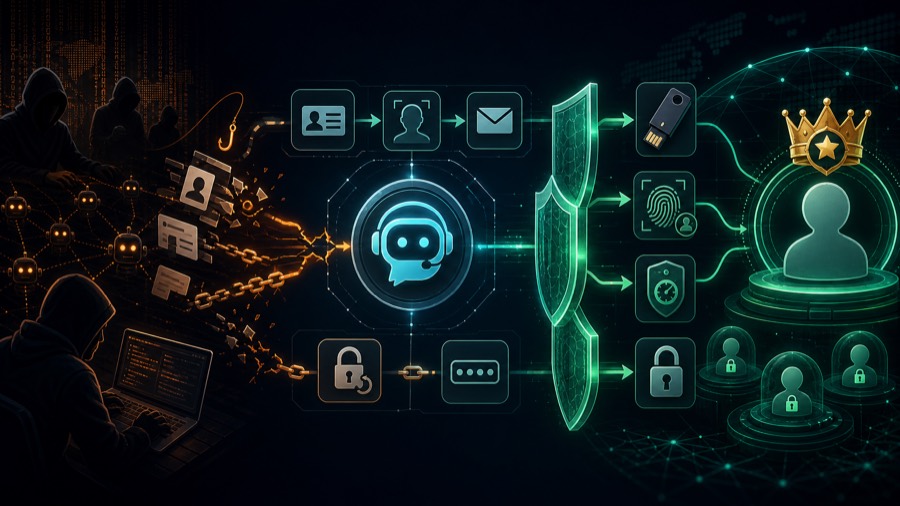
Meta AI Support Bot Abuse Shows Account Recovery Is Part of the Identity Perimeter
Attackers reportedly abused Meta’s AI support assistant during Instagram account recovery. The lesson for SMBs and contractors: recovery workflows are identity infrastructure and need MFA, monitoring, and guardrails.

SolyxImmortal Shows Why Python Infostealers Are a Business Risk, Not Just Malware Noise
SolyxImmortal combines persistence, browser credential theft, document collection, screenshots, keylogging, and webhook exfiltration. Here is what SMB and government-contractor defenders should do about it.

Showboat and JFMBackdoor Show Telecom Intrusions Are Built for Pivoting
Lumen and PwC reporting on Showboat, Red Lamassu, and JFMBackdoor shows how China-linked telecom intrusions combine Linux footholds, proxying, and Windows backdoors. Here is what SMBs and government contractors should harden now.
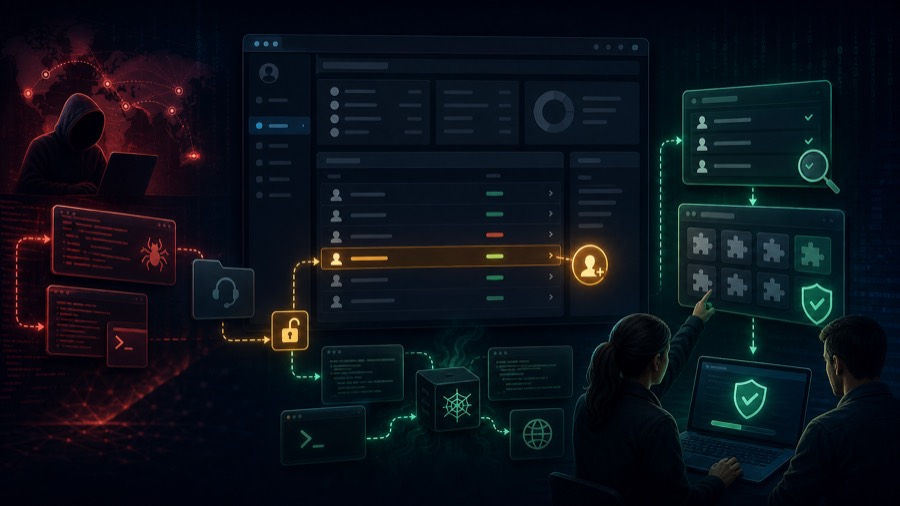
WP Maps Pro Exploitation Shows Why Plugin Support Features Need Security Review
Attackers are exploiting CVE-2026-8732 in WP Maps Pro to create rogue WordPress administrator accounts. Here is what SMBs and contractors should patch, audit, and verify.
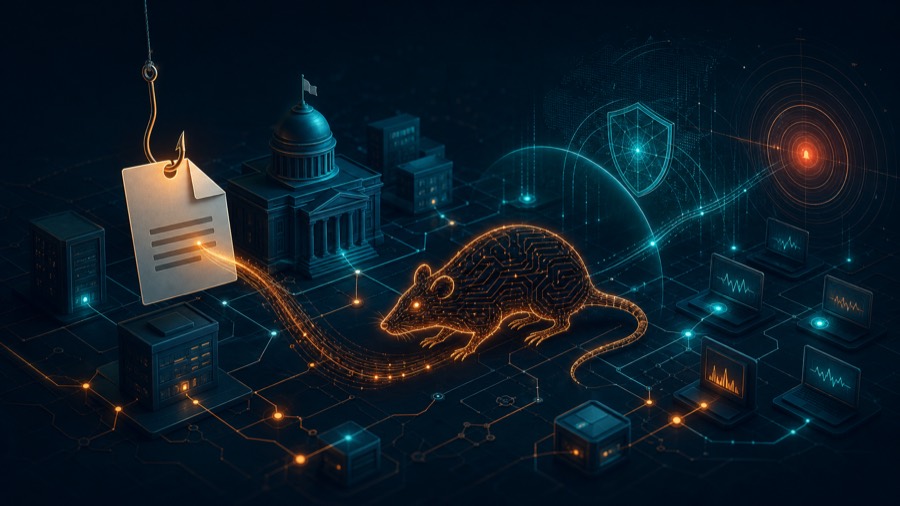
SideCopy’s XenoRAT Campaign Shows Why Localized Lures Beat Generic Phishing Defenses
SideCopy/APT36 targeted Afghanistan finance officials with Pashto-language lures and XenoRAT. Here is what SMBs and government contractors should take from the campaign.

Dependency Confusion Campaign Shows Reconnaissance Is the First Supply-Chain Payload
Microsoft found 33 malicious npm packages abusing dependency confusion to profile developer and build environments. The defender lesson: treat package installation as code execution and lock down internal namespace hygiene before attackers do reconnaissance at scale.

MediaInfoLib Parser Bugs Show File Metadata Is an Execution Boundary
Cisco Talos disclosed four patched MediaInfoLib heap-based buffer overflow vulnerabilities. The bigger lesson: automated media metadata parsing belongs inside a sandboxed, monitored execution boundary.

Poisoned Search and AI Recommendations Turn Utility Downloads Into RMM Access
Microsoft reported a cryptojacking campaign that uses poisoned search results, AI-surfaced software recommendations, fake utility downloads, and abused ScreenConnect access. Here is what SMBs and government contractors should defend first.

LiteSpeed cPanel KEV Shows Shared Hosting Is Privilege Escalation Terrain
CISA added CVE-2026-48172 to KEV after active exploitation of a LiteSpeed cPanel user-end plugin flaw that can let compromised hosting accounts execute scripts as root.
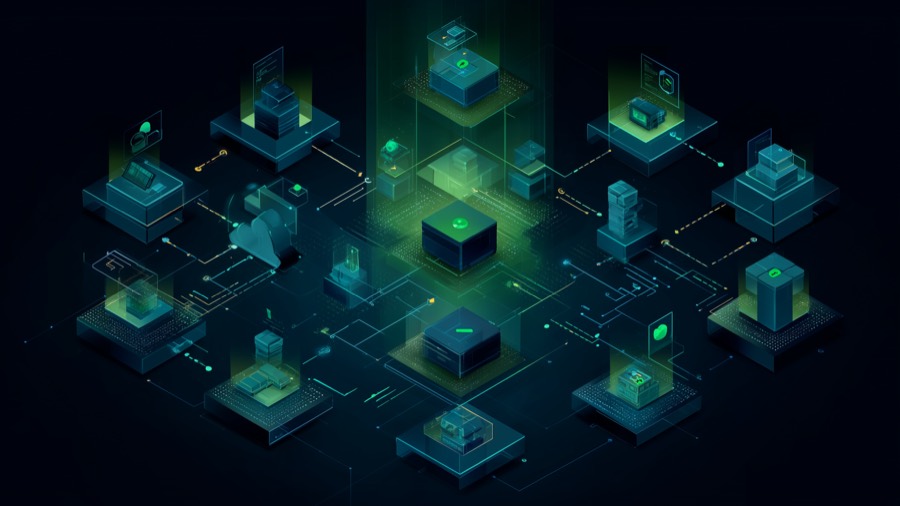
Megalodon GitHub Actions Backdoor Shows CI/CD Is Now a Credential Battlefield
The Megalodon GitHub campaign shows why CI/CD pipelines must be treated like production infrastructure: malicious workflow commits can harvest cloud credentials, OIDC tokens, SSH keys, and package secrets at scale.
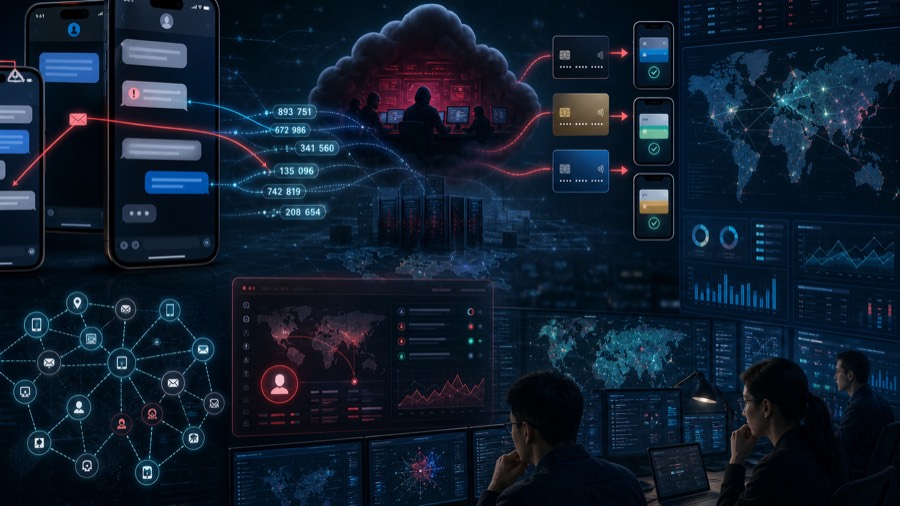
Chinese-Language PhaaS Shows MFA Bypass Is Becoming Real-Time Fraud
Google’s reporting on Chinese-language phishing-as-a-service shows why MFA bypass, real-time OTP interception, and digital wallet fraud require phishing-resistant authentication and session monitoring.
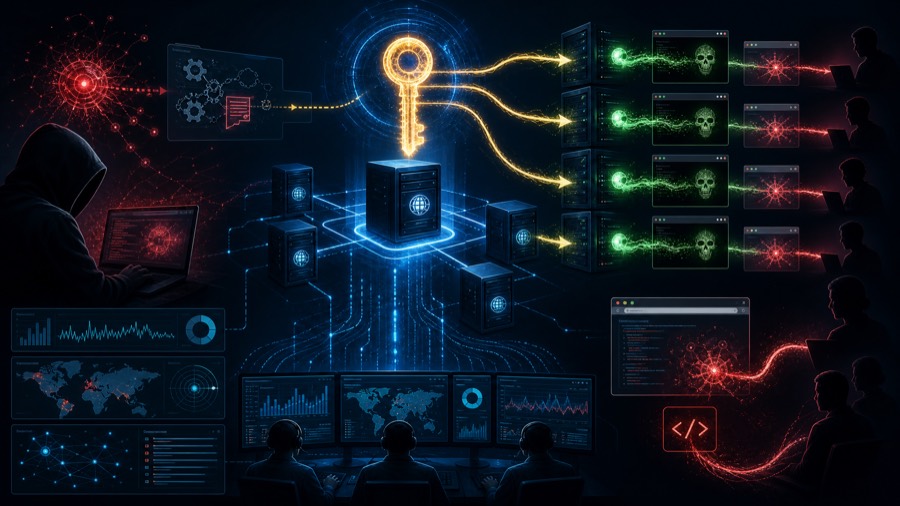
KnowledgeDeliver RCE Shows Shared Machine Keys Are Shared Blast Radius
Mandiant’s KnowledgeDeliver CVE-2026-5426 report shows how shared ASP.NET machine keys can turn ViewState into unauthenticated RCE and user-facing malware delivery.
Laravel-Lang Compromise Shows Dependency Tags Can Be Weaponized
A Laravel-Lang package compromise shows why trusted dependency tags, Composer autoload behavior, and runtime secrets need security monitoring—not just engineering review.

Cl0p’s South Staffs Water Case Shows SOC Coverage Must Be Proven
The South Staffordshire Water breach shows why outsourced SOC coverage, legacy server risk, and vulnerability management must be proven—not assumed—for SMBs, utilities, and government contractors.

ROADtools Abuse Shows Cloud Identity Is the New Attack Surface
Unit 42’s ROADtools research shows why Microsoft Entra ID token abuse, rogue device registration, and Graph API enumeration need to be treated as core incident-response signals for SMBs and government contractors.

Drupal CVE-2026-9082 Shows Web Asset Inventory Is Emergency Response
Drupal CVE-2026-9082 is already being scanned and exploited in the wild. The lesson for SMBs and government contractors: know where your Drupal sites are, verify PostgreSQL exposure, patch fast, and review logs before probing turns into compromise.

Void Dokkaebi’s InvisibleFerret Shift Shows Developer Endpoints Are Production Risk
Trend Micro reports North Korea-aligned Void Dokkaebi has moved InvisibleFerret into Cython-compiled Python extension modules. For SMBs and government contractors, the real risk is developer endpoint access to CI/CD, cloud, and production secrets.

Nimbus Manticore Shows Iranian APTs Are Moving Faster With AI-Assisted Tooling
Check Point Research reports that IRGC-affiliated Nimbus Manticore resurfaced with fake Zoom and SQL Developer lures, SEO poisoning, AppDomain hijacking, and a new MiniFast backdoor. Here is what SMBs and government contractors should tighten first.
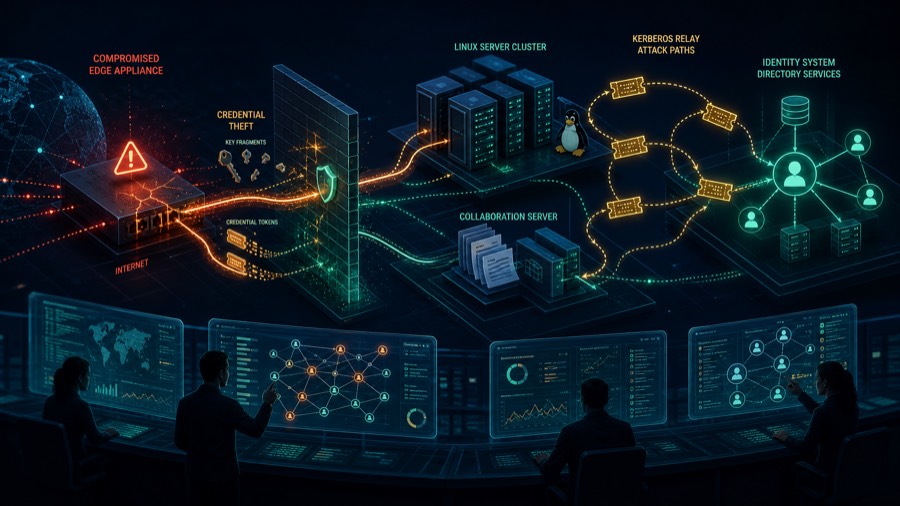
F5-to-Confluence Intrusion Shows Edge Devices Are Identity Attack Paths
Microsoft analyzed an intrusion where an F5 BIG-IP edge appliance led to Linux access, Confluence compromise, credential theft, and identity relay attempts. Here is what SMBs and government contractors should tighten first.

Screening Serpens Shows Recruiting Is Now an Espionage Attack Surface
Iran-nexus Screening Serpens used recruitment and meeting lures, new RAT variants, and .NET AppDomainManager hijacking. Here is what SMBs and government contractors should tighten now.
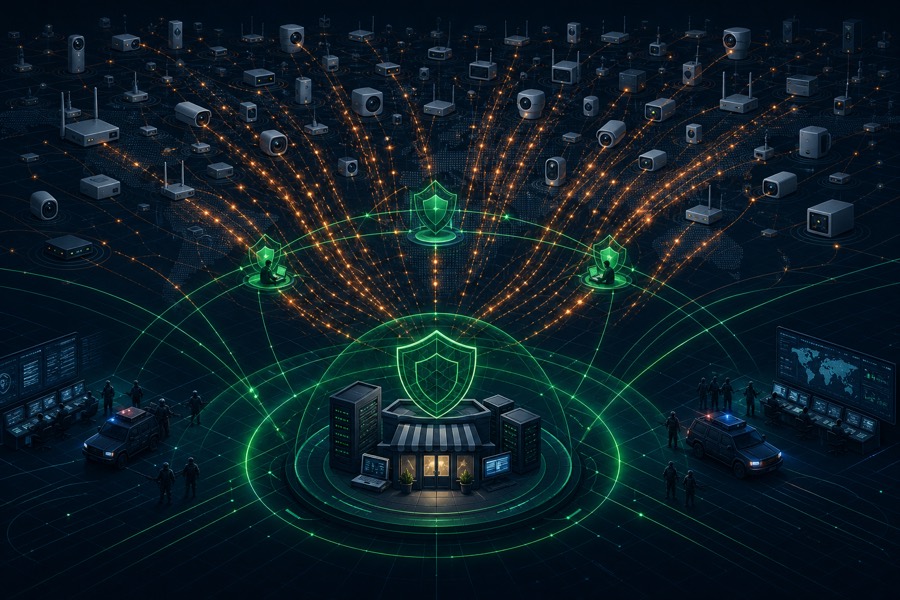
Kimwolf Arrest Shows DDoS Risk Starts on Forgotten IoT
The alleged Kimwolf botmaster arrest is a useful reminder for SMBs and government contractors: DDoS resilience starts with asset visibility, upstream protection, and hardening forgotten IoT and edge devices.

TamperedChef Shows Signed Productivity Apps Cannot Be Trusted by Default
TamperedChef-style malware hides inside convincing signed productivity apps. Here is what SMBs and government contractors should do about it.

Patriot Bait Shows AI-Enabled Fraud Can Turn Trust Into Attack Surface
Trend Micro’s Patriot Bait research shows how one operator used AI assistance, social trust, WordPress credential attacks, and crypto fraud infrastructure to scale a low-cost cybercrime operation.
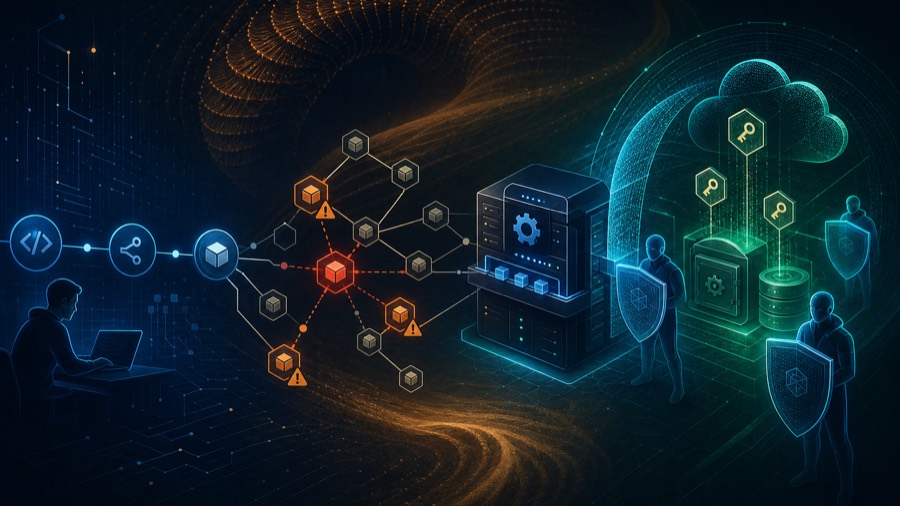
Mini Shai-Hulud Shows CI/CD Secrets Are the Real npm Supply-Chain Prize
Mini Shai-Hulud’s @antv npm compromise shows why dependency malware should be treated as a CI/CD credential-theft threat, not just a package hygiene problem.
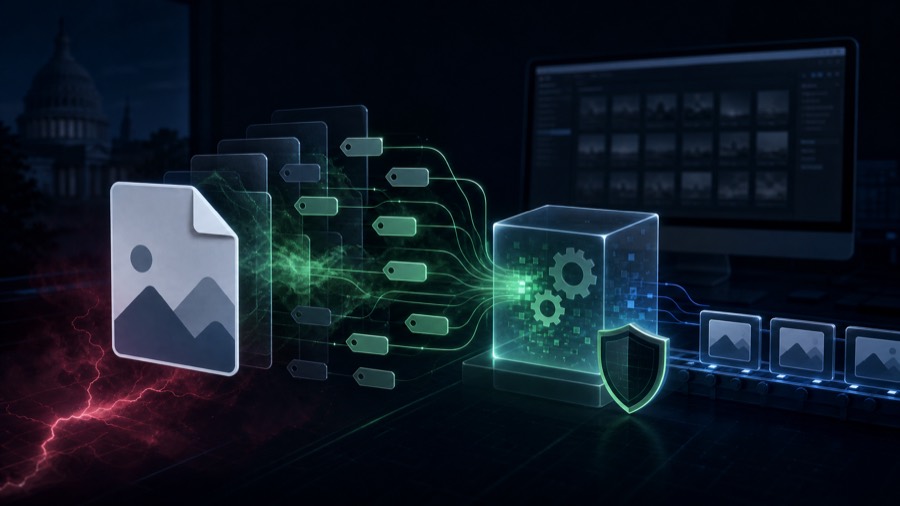
ExifTool CVE-2026-3102 Shows Image Metadata Belongs in the Threat Model
CVE-2026-3102 in ExifTool shows why image metadata processing should be patched, isolated, and monitored like any other untrusted file-ingest path.

P2Pinfect Shows Exposed Redis in Kubernetes Can Become Dormant Botnet Infrastructure
Fortinet observed P2Pinfect infections inside GKE clusters where exposed Redis instances became long-lived botnet footholds. For SMBs and government contractors, the lesson is clear: cloud misconfiguration, runtime visibility, and egress monitoring matter as much as patching.

Verizon DBIR 2026 Shows Vulnerability Exploitation Is Now the Breach Priority
Verizon’s 2026 DBIR shows vulnerability exploitation overtaking credential abuse as the top breach access vector. Here is what SMBs and government contractors should fix first.

Fox Tempest Shows Code Signing Trust Can Be Weaponized
Microsoft disrupted Fox Tempest, a malware-signing-as-a-service operation that helped ransomware crews make malicious binaries look trusted. Here is what SMBs and government contractors should review now.
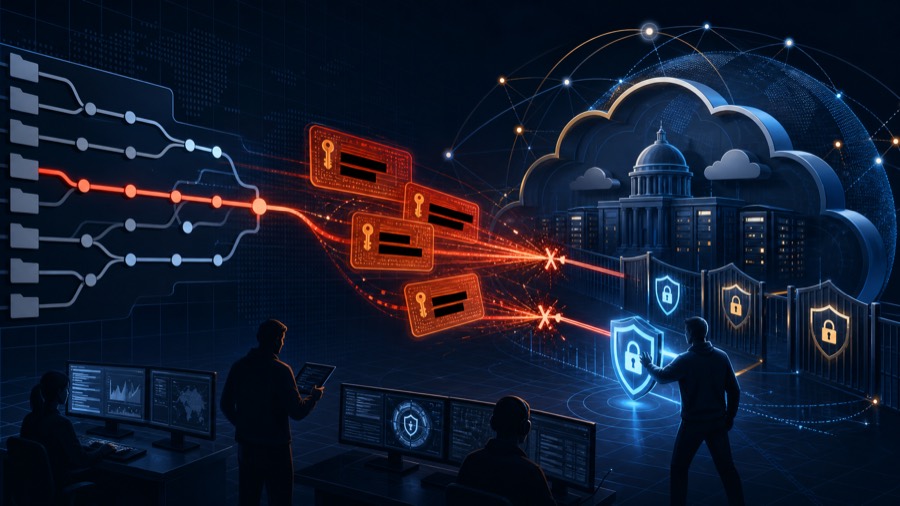
CISA GovCloud Leak Shows Secret Scanning Cannot Be Optional
A reported CISA contractor GitHub leak shows why secret scanning, token rotation, and CI/CD hardening need to be enforced controls, not optional developer hygiene.

Storm-2949 Shows Cloud Breaches Start With Identity, Not Malware
Microsoft’s Storm-2949 case study is a clean warning for SMBs and government contractors: once cloud identity and control-plane access are compromised, attackers can steal data without deploying traditional malware.

AI Agent Governance Is Becoming a Security Control, Not a Nice-to-Have
AI agents now operate with real credentials inside business systems. Here is how SMBs and government contractors should govern identity, authority, action, and evidence before agentic workflows become unmanaged risk.
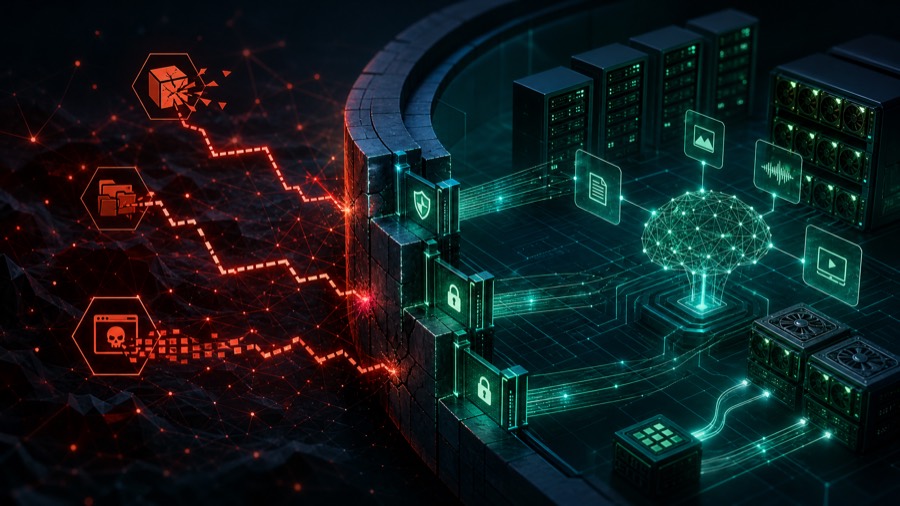
SGLang RCE Flaws Show AI Inference Servers Need Real Network Isolation
CERT/CC disclosed three SGLang vulnerabilities affecting AI inference deployments, including remote code execution and path traversal risks. Here is what SMBs and government contractors should do now.

Grafana GitHub Token Breach Shows Why Source Code Access Needs Guardrails
Grafana disclosed unauthorized GitHub access tied to a leaked token and codebase download. Here is what SMBs and government contractors should tighten around source-code access, CI/CD tokens, and extortion readiness.

AI Literacy Needs Fundamentals: Teaching Technology in the Real World
Albert LaScola reflects on teaching database systems, governance, risk management, and AI literacy through a fundamentals-first approach shaped by Navy operations, security work, Bulwark Black, and Rural Tech and Support.

node-ipc Backdoor Shows Why CI Secrets Need Supply Chain Controls
Malicious node-ipc npm releases turned a package update into a credential-exposure event. Here is what SMBs and government contractors should check first.

Exchange OWA Zero-Day Shows Why Email Servers Need Emergency Mitigation
CISA added Microsoft Exchange Server CVE-2026-42897 to KEV after evidence of active exploitation. For SMBs and government contractors, the lesson is simple: internet-facing email infrastructure needs emergency mitigation playbooks before the patch lands.
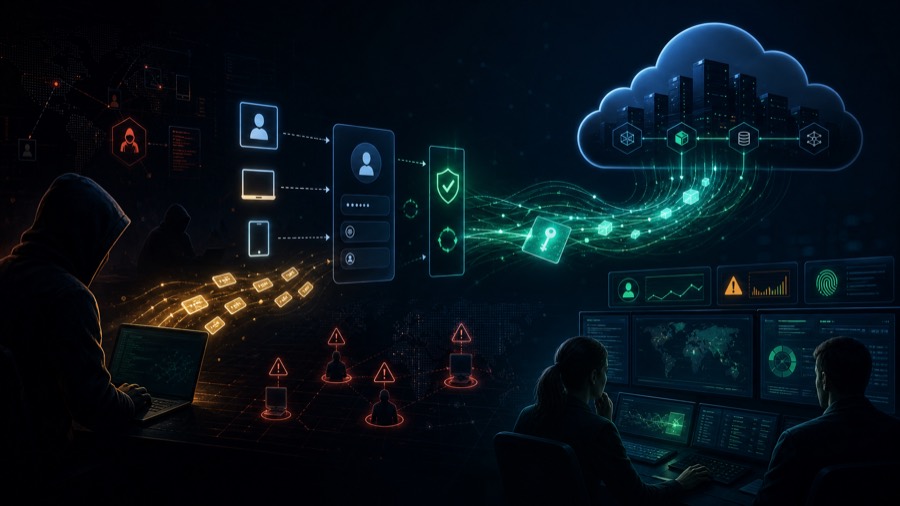
Device Code Phishing Turns Legitimate Login Flows Into Token Theft
Device code phishing is scaling because it abuses legitimate OAuth flows instead of simply stealing passwords. Here is what SMBs and government contractors should review now.

Recent Linux Kernel Exploits Make Attack Surface Reduction a Practical Priority
Recent Linux kernel exploit discussions show why SMBs and government contractors should reduce unused modules and services, not just wait for patches.

PawsRunner Steganography Shows Infostealers Are Hiding in Plain Sight
FortiGuard Labs reports PureLogs is being delivered through PawsRunner steganography. Here is what SMBs and government contractors should watch for defensively.
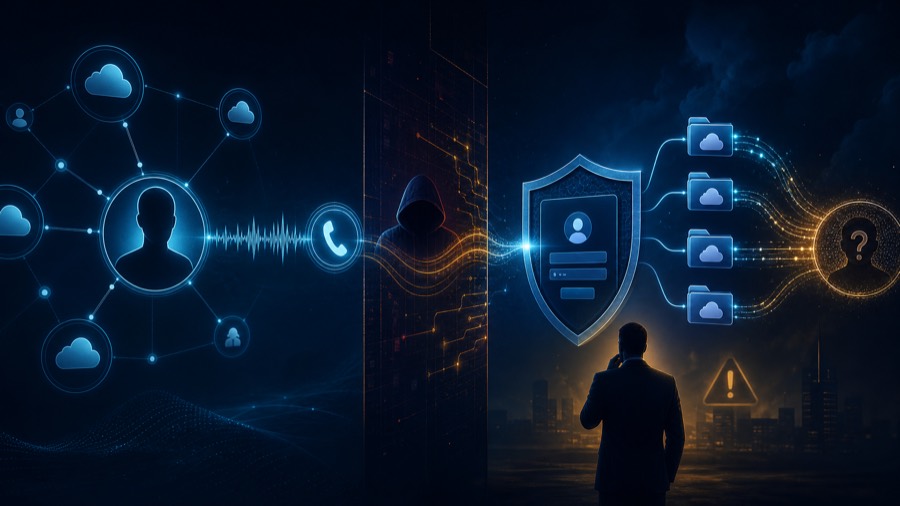
BlackFile Vishing Campaign Shows Why MFA Alone Is Not Enough
GTIG reports UNC6671 / BlackFile is using vishing, AiTM phishing, and SaaS data theft to extort organizations. Here is what SMBs and government contractors should harden now.
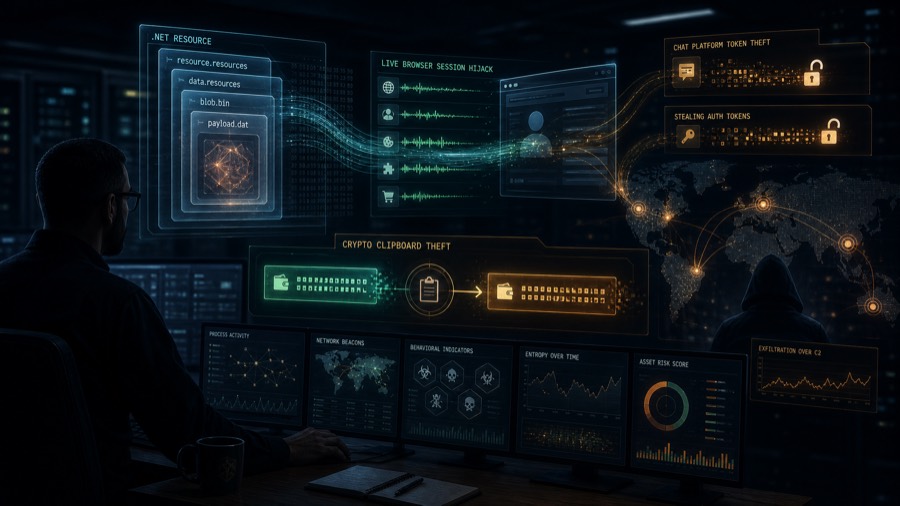
Gremlin Stealer Shows Why Browser Sessions Are Now High-Value Targets
Unit 42 reports Gremlin Stealer has evolved with resource-file obfuscation, session hijacking, Discord token theft, and crypto clipboard fraud. Here is what SMBs and government contractors should do defensively.

Cisco SD-WAN Exploitation Shows Edge Controllers Need Emergency Review
Cisco Talos reports active exploitation of Catalyst SD-WAN authentication bypass and related vulnerabilities. Here is what SMBs and government contractors should prioritize now.

Kazuar Shows Russian Espionage Malware Is Engineering for Resilience
Microsoft reports that Kazuar, attributed to Russian state actor Secret Blizzard, has evolved into a modular P2P botnet. Here is what SMBs and government contractors should take from it defensively.

Exposed AI Apps Turn Misconfiguration Into RCE Risk
Microsoft warns that publicly exposed AI apps, MCP servers, and Kubernetes-hosted agent tooling can turn weak defaults into practical paths for RCE, credential theft, and data exposure.
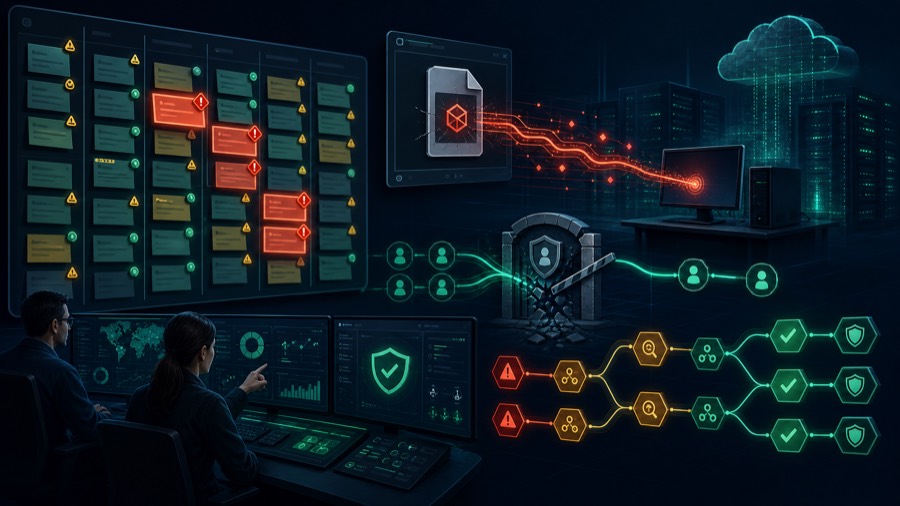
May 2026 Patch Tuesday: How SMBs Should Prioritize 132 Microsoft CVEs
Microsoft’s May 2026 Patch Tuesday shipped 132 CVEs. Here is how SMBs and government contractors should prioritize identity, server, and Office risks first.

The Gentlemen RaaS Leak Shows Ransomware Is Still an Edge-Device Problem
Check Point’s look inside The Gentlemen ransomware operation is a useful reminder for SMBs and government contractors: exposed edge appliances, weak identity controls, and unmanaged remote access paths still drive real ransomware risk.
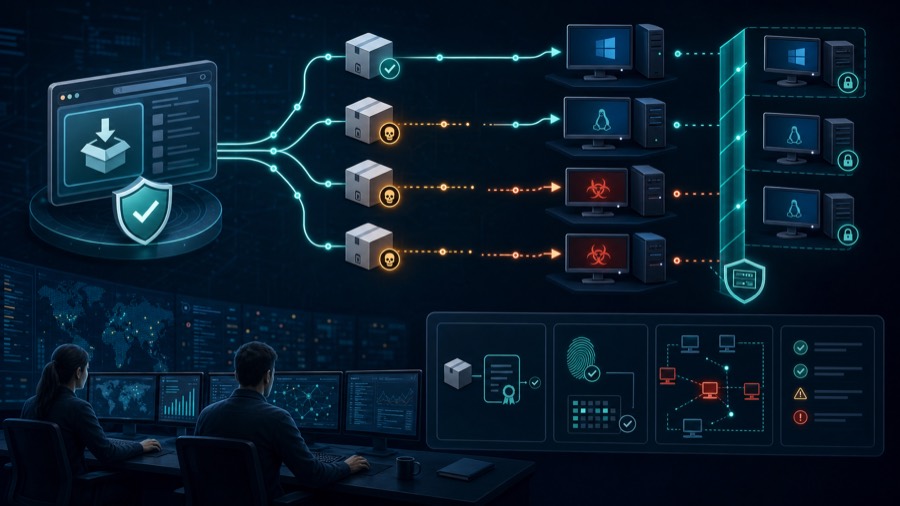
JDownloader Site Compromise Shows Why Trusted Downloads Still Need Verification
Attackers swapped selected JDownloader website download links with malicious installers. Here is what SMB and government-contractor defenders should do about trusted-download risk.

Fake OpenAI Hugging Face Repo Shows AI Supply Chain Risk Is Already Here
A fake OpenAI Privacy Filter repository on Hugging Face delivered Windows infostealer malware. Here is what SMB and gov-contractor defenders should take from it.
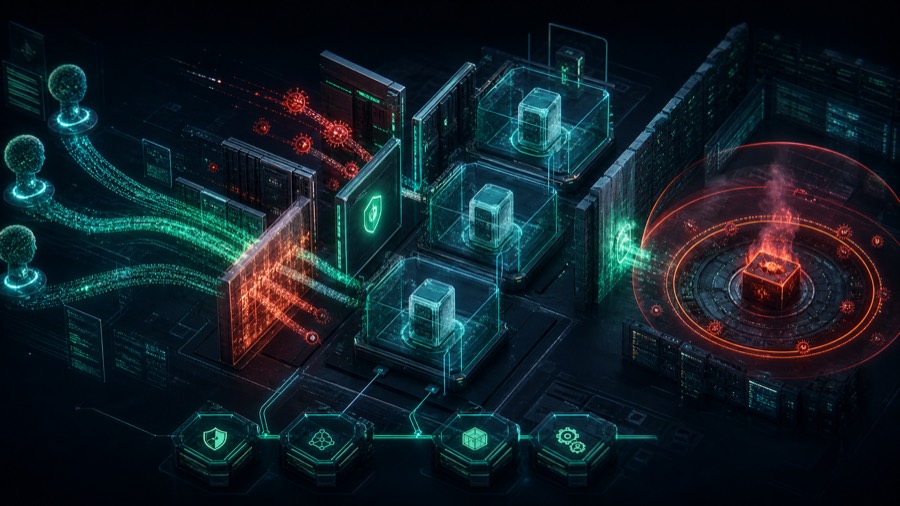
MCP Server Command Injection Shows Why AI Tools Need Real Isolation
A critical GitHub advisory for @profullstack/mcp-server shows how unsafe AI tool endpoints can turn domain lookup functionality into unauthenticated remote code execution.

Dirty Frag Turns Linux Footholds Into Root: What Defenders Should Do Now
Microsoft is tracking active Dirty Frag Linux privilege escalation activity. Here is what SMB and gov-contractor defenders should prioritize now.
Prompt Injection Just Became an RCE Problem for AI Agents
Microsoft disclosed Semantic Kernel vulnerabilities showing how prompt injection can cross into code execution when AI agents are connected to unsafe tools. Here is what defenders should review now.

PAN-OS Captive Portal Zero-Day Shows Why Internet-Facing Edge Devices Need Immediate Review
Unit 42 reports limited exploitation of CVE-2026-0300, a PAN-OS Captive Portal zero-day. Here is what SMB and government-contractor defenders should check now.

PCPJack Shows Cloud Malware Is Moving From Cryptomining to Credential Theft
SentinelLabs reported PCPJack, a cloud-focused worm that evicts TeamPCP artifacts, steals credentials from exposed infrastructure, and spreads across cloud systems.
TBHM Live Training with Jhaddix
Attending The Bug Hunters Methodology Live training by Jason Haddix was a great experience. I think my goal with writing this post is really to paint a picture of my overall personal experience being new to Bug Bounty Hunting, coming from the Blue Teaming side of things, and to j

Detecting and Responding to Security Incidents and Why its Difficult.
Quick Picture of Attacker Vs Defender With the relentless advancement of technology and continuous improvements in security measures, there remains a significant challenge in detecting and responding to security incidents. This difficulty arises partly due to the diverse tactics